
Congratulations to the TBBCF 2026 Grant Recipients
After reviewing dozens of grant proposals, our TBBCF Scientific Advisory Board has awarded fellowships to the following top 2026 researchers.


The Terri Brodeur Breast Cancer Foundation Granting Process
Download a PDF of The Terri Brodeur Breast Cancer Foundation (TBBCF) 2026-2027 Granting Process
Scientific Advisory Board Members
Nicholas Saccomano, PhD
Chair – Former Chief Scientific Officer, Senior VP, Pfizer Boulder Research and Development
John LaMattina, PhD
Co-Chair – Former President, Pfizer Global Research and Development
Michael Garabedian, PhD
Professor and Course Director, New York University Medical Center
Susan Logan, PhD
Associate Professor, New York University Medical Center
Michael Morin, PhD
President and Chief Scientific Officer Immunome
TBBCF Research Grant Recipients
Publications
Discover publications recognizing the support from the Terri Brodeur Breast Cancer Foundation by clicking here.
Abstracts – 2007-2023
Explore the fascinating grant recipient abstracts from 2007 to 2023! Click here to discover the groundbreaking work of our researchers.
2026
Erik Bao, MD
Dana-Farber Cancer Institute
Kristina Fanucci, MD
MIT - Koch Institute for Integrative Cancer Research
Alexandra Indeglia, PhD
Brigham & Women's Institute
Tomas Lama-Diaz, PhD
Columbia University Irving Medical Center
Michelle Li, MD
Dana-Farber Cancer Institute
Katharine Umphred-Wilson, MD
Roswell Park
2025
Genevra Kuziel, PhD
Dana-Farber Cancer Institute
Megan J. Priestley, PhD
MIT - Koch Institute for Integrative Cancer Research
Benjamin Schrank, MD, PhD
MD Anderson Cancer Center
Sherry Shen, MD
Memorial Sloan Kettering Cancer Center
2024
Julia D Ransohoff MD
Stanford University - School of Med.
Paolo Tarantino
Dana-Farber Cancer Institute
Sam Kleeman, MD, PhD
Cold Spring Harbor Laboratory
2023
Bruno Barufaldi, PhD
University of Pennsylvania
Marla Lipsyc-Sharf, MD
Dana-Farber Cancer Institute
Megan Tesch, MD
Dana-Farber Cancer Institute
Marie Will, MD, PhD
Memorial Sloan Kettering Cancer Center
Bogan Wu, PhD
Massachusetts General Hospital
2022
Emanuela Ferraro, MD
Memorial Sloan Kettering Cancer Center
Amy Schade, PhD
Brigham & Women's Hospital - Harvard Medical School
Sirinapa Sribenja, PhD
Roswell Park Comprehensive Cancer Center
2021
Daniel L. Abravanel, MD, PhD
Dana-Farber Cancer Institute – Harvard Medical School
Douglas Micalizzi MD, PhD
Massachusetts General Hospital – Harvard Medical School
Rachna Malani, MD
Memorial Sloan Kettering Cancer Center
Jennifer Rosenbluth, MD, PhD
Dana-Farber Cancer Institute – Harvard Medical School
2020
Jennifer L. Guerriero, PhD
Dana-Farber Cancer Institute – Harvard Medical School
Sheheryar K. Kabraji, BM BCh
Dana-Farber Cancer Institute – Harvard Medical School
Naiara Perurena, PhD, PharmD
Brigham and Women’s Hospital – Harvard Medical School
Jan Remsik, PhD, PharmD
Memorial Sloan Kettering Cancer Center
2019
Ana Garrido-Castro, MD
Dana-Farber Cancer Institute
Veerle Daniels, PhD
Dana-Farber Cancer Institute
Jing Hu, PhD
Memorial Sloan Kettering Cancer Center
Laura Spring, MD
Massachusetts General Hospital
2018
Arko Dasgupta, PhD
Fred Hutchinson Cancer Research Center
Sheng Sun, PhD
Massachusetts General Hospital Cancer Center
Adrienne Gropper Waks, MD
Dana-Farber Cancer Institute
2017
Li, Ji, PhD
Dana-Farber Cancer Institute
Meyer, Aaron, PhD
Koch Institute for Integrative Cancer Research at Massachusetts Institute of Technology
Parsons, Heather, PhD
Dana-Farber Cancer Institute
2016
Albrengues, Jean, PhD
Cold Spring Harbor Laboratory
Karaayvaz, Mihriban, PhD
Mass General Hospital Cancer Center
Stover, Daniel, MD
Dana-Farber Cancer Institute
Toska, Eneda, PhD
Memorial Sloan Kettering
2015
Dhimolea, Eugen, PhD
Dana-Farber Cancer Institute
Ilic, Nina, PhD
Dana-Farber Cancer Institute
Pavlova, Natasha, PhD
Memorial Sloan Kettering
2014
Carmona, Javier PhD
Memorial Sloan Kettering
Hofstatter, Erin MD
Smilow Cancer Hospital at Yale New Haven
Page, David MD
Memorial Sloan Kettering
2013
Vora, Sadhna R. MD
Dana-Farber Cancer Institute
Anczukow, Olga, PhD
Cold Spring Harbor Laboratory
Rossetti, Stefano PhD
Roswell Park Alliance Foundation
2012
Diab, Adi MD
Memorial Sloan Kettering
Jhaveri, Komal, MD
NYU School of Medicine
Brastianos, Priscilla MD
Dana-Farber Cancer Institute
2011
Gucalp, Ayca MD
Memorial Sloan Kettering
Walczak, Maciej MD
Memorial Sloan Kettering
Li, Yang PhD
Dana-Farber Cancer Institute
2010
Gajria, Devika MD
Memorial Sloan Kettering
Kass, Elizabeth MD
Memorial Sloan Kettering
Zhou, Penghui MD
Dana-Farber Cancer Institute
Kochupurakkal, Bose PhD
Dana-Farber Cancer Institute
2009
Bialucha, Carl Uli PhD
Cold Spring Harbor Laboratory
Kutuk, Ozgur MD, PhD
Dana-Farber Cancer Institute
Bailey, Shannon T. MD
Dana-Farber Cancer Institute
Zhang, Qing PhD
Dana-Farber Cancer Institute
2008
Irie, Hanna Y MD, PhD
Mount Sinai School of Medicine
Choudhury, Sibgat PhD
Dana-Farber Cancer Institute
Fertuck, Kirsten PhD
Dana-Farber Cancer Institute
2007
Oliver, Aundrea MD
Dana-Farber Cancer Institute
Chatterjee, Samit PhD
Cold Spring Harbor Laboratory
Mayer, Erica MD, MPH
Dana-Farber Cancer Institute
Lee, Dongjoo PhD
Memorial Sloan Kettering
Julia D Ransohoff MD
Stanford University - School of Med.
 Description of work: Breast cancer is the second most common cancer diagnosed worldwide. In the United States alone, there are 260,000 new diagnoses and 40,000 deaths from breast cancer each year. The survival of patients is highly related to the cancer stage. More recently, early-stage breast cancer has been treated with chemotherapy before surgery, which allows oncologists to assess the response of the cancer to chemotherapy. A good response to initial chemotherapy is associated with patients living longer and a higher chance of cure. In contrast, a poorer response is associated with cancer recurrence and shorter survival. It is therefore important to accurately measure the presence or absence of residual cancer after initial chemotherapy, at the time of surgery--since this is when decisions are made to escalate treatment or to consider a patient cured.
Current methods to measure residual cancer are imperfect. The Residual Cancer Burden (RCB) index attempts to quantify the amount of residual cancer at surgery, but many patients identified as having low or no disease still have their cancer return, and many patients with high amounts of disease are cured. Detection of small amounts of circulating tumor DNA molecules, or “minimal residual disease” (MRD), can provide more accurate information than visual assessment by pathology. In breast cancer, blood-based MRD is often incorrectly negative when the amount of cancer in the body is small, which is the case after initial chemotherapy for breast cancer. Improving cancer detection at this timepoint is critical since it can allow more effective treatment strategies including additional therapy for residual cancer, which can lead to more patients being cured.
While the number of tumor DNA molecules in the blood may be too low to detect after chemotherapy, more tumor is left behind in the breast tissue since this is the original site of disease. We propose a novel method to detect MRD in the breast cancer tissue itself with personalized disease monitoring. We believe this approach will more sensitively detect residual cancer compared to pathological visual assessment at the time of surgery or even liquid biopsy MRD. This method will enable personalized and targeted treatments by identifying which patients have residual cancer after up-front chemotherapy. It will reveal which specific mutations lead to resistance to initial chemotherapy and produce relapsed, incurable disease, and identify potential drug targets to improve outcomes.
Biography: Julia D. Ransohoff, MD is a Postdoctoral Clinical Fellow in oncology at the Stanford University School of Medicine. As an undergraduate, she studied stem cell biology and researched stem cell transplant immunology and differentiation. As a medical student and Howard Hughes fellow at Stanford, her research focus shifted to cancer development, identifying RNA-protein interactions that govern epithelial biology. With David Kurtz, MD, PhD, and Melinda Telli, MD, her current work focuses on methods to profile minimal residual disease in breast cancer both in the blood and in breast tissue after curative-intent chemotherapy using next-generation sequencing approaches. Her goal is to use these tools to predict patient outcomes and guide treatment decision-making.
Megan Tesch, MD
Dana-Farber Cancer Institute
 The optimization of systemic therapy for young women with early-stage hormone receptor-positive (HR+)/HER2-negative remains a significant challenge, particularly in terms of predicting chemotherapy responsiveness. This is exemplified by recent gene expression profile-driven adjuvant therapy trials, in which premenopausal patients with low-to-intermediate genomic risk HR+ tumors derived a survival advantage from chemotherapy, but not their postmenopausal counterparts. Critical questions have arisen as to whether this chemotherapy benefit stems from induction of ovarian function suppression, with consequent downregulation of estrogen receptor activity, or whether there are intrinsic differences in the biology of young women’s tumors, particularly tumor-immune microenvironment, that render them more susceptible to the cytotoxic effects of chemotherapy. Systemic therapy strategies for young women with HR+ breast cancer could differ considerably on the basis of these alternative hypotheses, ranging from chemotherapy-sparing/hormonal-based approaches to escalated chemotherapy regimens incorporating agents such as immune checkpoint inhibitors.The objective of this project is to determine the impact of chemotherapy on estrogen receptor activity and tumor-immune microenvironment in young women with HR+ breast cancer, by examining changes in the expression of pertinent genes in response to chemotherapy. In doing so, this project aims to elucidate key mechanisms by which chemotherapy exerts a differential benefit in young women with HR+ breast cancer. Tumor specimens will be derived from a prospective multicenter cohort study of women diagnosed with breast cancer at age 40 years or younger, enabling correlation of chemotherapy-mediated estrogen receptor- and immune-related gene expression changes with patient characteristics, treatment response, and survival outcomes. This will help to establish the clinical significance of these chemotherapeutic effects in young women with HR+ breast cancer, and accordingly, could provide a strong rationale for future tumor biology-guided clinical trials within this disparate population in need of more tailored systemic therapy options.
Sirinapa Sribenja, PhD
Roswell Park Comprehensive Cancer Center
 Breast cancer presents as several clinical subtypes that have different progression trajectories and disparate prognoses. However, there are two primary etiologic subtypes, each associated with a distinct set of risk factors and genetic profiles that essentially correspond to estrogen receptor-positive (ER+) and negative (ER-) disease, and the ER status serves as an important marker for treatment options and prognosis in breast cancer patients. Compared with women diagnosed with ER+ breast cancer, those with ER- tumors generally have a poorer prognosis, partly because of their aggressive phenotype and the lack of targeted therapy. In addition, high-grade ER- breast cancer is more common among American women of African ancestry (AA) than among those of European ancestry (EA). Presently, the underlying causes of this increased risk of ER breast cancer in AA women are not clear, but the causes are likely multifaceted. In the last few decades, substantial research has been devoted to identifying epigenetic and transcriptomic alterations that drive tumorigenesis. These efforts have led to an improved understanding of its mechanisms and advanced methods for targeted therapeutic strategies for cancer and its complications. However, evidence linking RNA modifications to the development, maintenance, and progression of breast cancer is still lacking. By using my expertise in molecular and cellular biology and by taking advantage of novel, state-of-the-art high-throughput techniques in m6A Selective Allyl Chemical labeling and sequencing (m6A-SAC-seq) and CRISPR/Cas technology, I want to elucidate the mechanisms of action of epi transcriptomic differences in tumor progression between ER- and ER+ breast cancers and link those differences to clinical outcome disparities between women of difference races. Through this work, we have identified more than 150 candidate mRNAs that show significant differences in m6A methylation between ER subtypes and races. I now propose to test a select group of these modifications for their effects on breast cancer progression by manipulating the fraction of m6A methylation in breast cancer cell lines using CRISPR/Cas technology. I will also identify the functional roles of m6A RNA modifications in breast cancer cells. As an active member of the methylation research group at Roswell Park Comprehensive Cancer Center, and as a Research Associate participating in National Institutes of Health (NIH) R01 funded studies on DNA methylation profiling of breast tumors from AA and EA women as well as a currently funded R01 to study long noncoding RNAs (lncRNAs) in the same patient cohorts, I have developed a strong passion for research in the field of epigenetic regulation of cancer. I will strive to become an independent investigator who conducts top-notch epigenetic research that will ultimately influence patient care. My overall long-term goal as an independent investigator is to decipher the cellular and molecular phenomena that occur in breast cancer to understand breast cancer better and potentially facilitate the development of novel molecular targets for treatment and cancer prevention. Dr. Sribenja completed her undergraduate
Jennifer L. Guerriero, PhD
Dana-Farber Cancer Institute – Harvard Medical School
 Modulating the immune system as an anti-cancer strategy has shown great promise in some types of cancer, however there has been limited responses in breast cancer. While the main focus of immunotherapy has been on the adaptive immune system, namely T cells, harnessing innate immune cells such as tumor-associated macrophages (TAMs) offers a novel strategy to induce breast tumor regression. Breast tumors are highly infiltrated with suppressive TAMs and clinically, a high number of TAMs in breast tumors correlate with a worse overall prognosis and increased metastasis. Therefore, the proposed research focuses on understanding how TAMs contribute to the suppressive tumor microenvironment. A major goal of the project funded through the Terri Brodeur Breast Cancer Foundation is to reveal novel signaling pathways in TAMs that can be targeted therapeutically. The unique and novel clinical focus of harnessing macrophages has the potential to have a considerable impact in the treatment of breast cancer. Dr. Guerriero received her bachelor’s degree in Biochemistry from Northeastern University and has a PhD in Molecular and Cellular Biology and Immunology and Pathology from Stony Brook University where she trained under Dr. Wei-Xing Zong and completed her thesis entitled, “A study of cell death pathways and innate immunity in cancer chemotherapy”. Dr. Guerriero completed her postdoctoral training in the laboratory of Dr. Anthony Letai at Dana-Farber Cancer Institute where she investigated the role of tumor macrophages in breast cancer and identified novel mechanisms to target pro-tumor macrophages to an anti-tumor phenotype to induce tumor regression. Dr. Guerriero is now an Instructor in Medicine at Harvard Medical School and is the Director of the Breast Tumor Immunology Laboratory at Dana-Farber Cancer-Institute. Her main focus is to bridge basic and translational breast cancer research and immunology with clinical science. She focuses on translating basic knowledge of how macrophages in the breast tumor microenvironment induce apoptosis of cancer cells, as well as identify how macrophages regulate their phenotype at a molecular level. A major goal is to harnessing the anti-tumor potential of tumor-associated macrophages for anti-cancer therapy in breast cancer.
Veerle Daniels, PhD
Dana-Farber Cancer Institute

Despite recent advances in treatment options, breast cancer remains the second leading cause of cancer-related deaths in women. Triple negative breast cancer (TNBC) is a subgroup of breast cancer that is characterized by the absence of the estrogen receptor, the progesterone receptor and HER2-amplification. Because of the lack of these markers, there are at present -unlike for other subgroups of breast cancer- no targeted therapies available for TNBC. Therefore, TNBC is currently treated with conventional chemotherapy in addition to radiotherapy and surgery. Despite the often-good initial response to chemotherapy, therapy resistance is frequent in TNBC, making it one of the most severe subtypes of breast cancer.
To improve the perspectives of TNBC patients, there is need for better and more targeted treatments. To address this need, Dr. Daniels aims to identify metabolic pathways that can be targeted in combination with conventional chemotherapy to increase the sensitivity of TNBC to these agents.
Dr. Daniels focusses on metabolism, because the metabolic requirements of cancer cells are different than those of normal cells. Therefore, by targeting metabolism cancer cells can be weakened specifically, without affecting normal cells. To determine which metabolic features to target in cancer cells, Dr. Daniels is using a technique called “BH3-profiling”. BH3-profiling was developed by the Letai laboratory to measure the proximity of the cells to dying. This novel approach allows for the identification of metabolic perturbations that push the cancer cells closer to the point of dying, even if these perturbations do not cause cell death on their own. Using a drug to induce metabolic instability in cancer cells will make them more sensitive to chemotherapy, leading to a more effective eradiation of the cancer. The data generated in this project will lead to the development of better treatment regiments with a higher therapy efficacy and better clinical response. Additionally, information generated in this project can lead to the development of a targeted therapy for triple negative breast cancer.
Dr. Veerle Daniels did her undergraduate studies at the department of Pharmaceutical Sciences of the KULeuven University in Belgium. In 2009, she transitioned to the department of Oncology of the KULeuven to do her Ph.D. training under the supervision of Prof. Dr. Johan Swinnen. During her Ph.D. she investigated the role of lipid metabolism in tumor development and cancer cell resistance towards chemotherapy. In 2015 she moved to the Dana-Farber Cancer Institute to start her post-doctoral training in the laboratory of Dr. Anthony Letai, M.D. PhD.
Adrienne Gropper Waks, MD
Dana-Farber Cancer Institute

Following many important advances in treating HER2-positive breast cancer over the past two decades, a large majority of patients with non-metastatic HER2-positive tumors are cured with today’s treatments. For this majority of patients who do well in the long-term, we must begin to identify ways to cure HER2-positive breast cancer with less toxic treatments.
Modern treatment regimens for stage II and III non-metastatic HER2-positive breast cancer consist of multiple chemotherapy agents plus HER2-directed therapy with trastuzumab (Herceptin, H) and sometimes pertuzumab (Perjeta, P). Scaling back the number of chemotherapy agents used may allow patients to maintain better quality of life while on treatment, as well as decrease the chance of rare but serious chemotherapy complications.
As a Terri Brodeur fellow, Dr. Waks plans to conduct a clinical trial investigating a new treatment approach in stage II and III HER2-positive breast cancer, with the goal of allowing select patients to receive less chemotherapy.
We know that in patients who receive breast cancer treatment before breast surgery, those who have all cancer eradicated from the breast and lymph nodes at the time of surgery (“pathologic complete response”) have an excellent prognosis. In our clinical trial, patients will be treated before surgery with paclitaxel, trastuzumab, and pertuzumab (“THP”), and those who achieve pathologic complete response at surgery—and have an excellent prognosis on that basis—will go on to receive further HP post-surgery, without any additional chemotherapy. Our primary goal in the trial is to assess the acceptability of this treatment approach to patients and their doctors. We hope that this trial, which is a precursor to a large international trial investigating the same approach, will be a step toward establishing HER2-positive breast cancer treatments that are highly effective for a select patient group, and also maximize patient quality of life.
Dr. Waks conducted her undergraduate studies at Princeton University and then obtained her M.D. degree at Harvard Medical School. She completed residency training in internal medicine at Brigham and Women’s Hospital in Boston, MA, where she was selected to serve for an additional year as a Chief Resident in internal medicine. She is currently a clinical and research fellow in medical oncology at Dana-Farber Cancer Institute, where she will shortly join the staff as an attending physician in breast oncology at the Dana-Farber Susan F. Smith Center for Women’s Cancers, and an instructor at Harvard Medical School.
Erik Bao, MD
Dana-Farber Cancer Institute
 Abstract/Bio:
Individuals with inherited mutations in BRCA1 and BRCA2 face an estimated 70% lifetime risk of breast cancer. While BRCA1 and BRCA2 have well-established roles in DNA damage repair, the ways in which these alterations promote tumor formation remain poorly understood. This knowledge gap has limited efforts towards the detection, prevention, and interception of cancer in individuals harboring high-risk genetic variants.
The overarching goal of Dr. Bao’s research project is to define the molecular changes in BRCA1/2 carriers that drive accelerated tumor formation. To test this, he is working with a cooperative group that has assembled a comprehensive single-cell atlas of breast tissue from individuals harboring inherited mutations in BRCA1 and BRCA2 as well as non-carrier individuals. Leveraging hundreds of thousands of cells profiled in this dataset, Dr. Bao will perform integrative genomics analyses to identify changes in gene expression and DNA accessibility priming BRCA1/2-mutant breast epithelial cells for tumor initiation. In parallel, he will also investigate the role of DNA copy number alterations within epithelial cells as a key driver of tumor formation within BRCA1/2 carriers. Collectively, these findings will advance our understanding of the earliest molecular alterations in precursor breast cancer cells, a key step towards enabling future strategies to target and eliminate these cells prior to malignant Transformation.
Dr. Bao received his undergraduate degree from Duke University and his medical degree from the Harvard-MIT Program in Health Sciences and Technology. He completed his internal medicine residency at the University of California San Francisco in 2024. He is currently a senior medical oncology fellow in the Breast Oncology Program at Dana-Farber Cancer Institute. Working in the laboratories of Drs. Joan Brugge and Eliezer Van Allen, Dr. Bao’s research leverages computational genomics to better understand the molecular evolution of breast cancer and ultimately how these processes can be translated into new ways to prevent and treat the disease.
Katharine Umphred-Wilson, MD
Roswell Park
 Abstract/Bio:
Metastasis, the spread of cancer to distant organs, is the leading cause of death for patients with breast cancer. Patients with metastatic triple‑negative breast cancer (TNBC) face poorer outcomes because effective targeted treatments are lacking. Advances in immunotherapy, namely immune checkpoint inhibitors (ICIs), can extend survival of patients with metastatic TNBC; however, most patients do not respond to treatment. Thus, there is a pressing need to uncover improved strategies to increase the number of responsive patients. ICIs work with the immune system to activate cytotoxic (or “killer”) immune cells to better attack cancer. Research has shown that suppressive signals from tumors block the activity of these killer immune cells, thus reducing how well immunotherapy treatments, like ICIs, work. Intriguingly, the liver is a common metastatic site for various cancers, including TNBC, yet it remains understudied compared to the lung. Currently, no therapies specifically target TNBC liver metastases. This project proposes to repurpose Ribavirin – an FDA‑approved antiviral drug for hepatitis C – to enhance immunotherapy of TNBC liver metastases. Prior research shows that Ribavirin reduces immunosuppressive signals in the liver and boosts immune activity during hepatitis. However, its effects on the immune system in cancer, and its potential to enhance ICI therapy in TNBC liver metastases, have not been explored. By studying how Ribavirin alters liver immune cells and its impact on ICIs, this project could lead to improved treatments for TNBC patients and others with liver metastases. It will also provide new insights into how immune cells function within metastatic tumors. Dr. Katharine Umphred-Wilson earned her BS degree in Molecular Biology from the Rochester Institute of Technology and her PhD degree in Pathology from Case Western Reserve University under the mentorship of Dr. Stanley Adoro, where she investigated how genetic structures termed “super-enhancers” can be targeted to prevent the development of T-cell leukemia. She is now a postdoctoral fellow at Roswell Park Comprehensive Cancer Center in the laboratory of Dr. Scott Abrams, developing new therapeutic strategies that dampen myeloid-driven immune suppression to improve immunotherapy outcomes in metastatic TNBC.
Paolo Tarantino
Dana-Farber Cancer Institute
 Short Abstract/Biography:
Antibody-drug conjugates are a relatively new therapeutic modality utilized to treat breast cancer, which allows for a selective delivery of chemotherapy to tumor cells. Antibody-drug conjugates are composed of three parts: 1. an antibody that reaches and binds a specific protein on the cancer cell surface, 2. a molecular linker that acts as a bridge between the antibody and the payload, and 3. a toxic payload that, once delivered, kills the tumor cells. Despite being selective and highly active, antibody-drug conjugates can still harbor relevant side effects, calling for precision in their use in clinical practice. To improve the precision in the use of antibody-drug conjugates, we decided to leverage data and banked samples collected from patients with breast cancer that have received antibodydrug conjugates at Dana-Farber Cancer Institute, using them to uncover and validate biomarkers predicting the activity of ADCs. We will utilize cutting edge technologies to quantitate protein expression, dissect biological states and unveil genetic aberrations from breast cancer cells. These molecular features will be linked to the real-world activity of antibody-drug conjugates in clinical practice, aiming to understand which patients benefit the most from which specific antibody-drug conjugates, as well as elucidate mechanisms of resistance to these important anticancer drugs. The ultimate goal of the project is to be able to tailor the use of antibody-drug conjugates to the profile of each patient and tumor, in order to maximize the value of treatment and reduce unnecessary side effects among patients with breast cancer. Additionally, the information derived from these analyses will inform future drug development, suggesting the best strategies for the sequencing of antibody-drug conjugates and for their combination with other treatment modalities. The project will be led by Dr. Paolo Tarantino. Paolo Tarantino, MD, received his medical degree from the University Federico II of Naples in Italy, and he completed Residency and Fellowship in Medical Oncology at the University of Milan, Italy. He is currently an advanced research fellow at Dana-Farber Cancer Institute working in the Breast Oncology Program at Dana-Farber, and is concomitantly pursuing a PhD in clinical research at the University of Milan. His research focuses on the study of the HER2 oncoprotein, the biology of HER2-low breast tumors and the development of novel antibody-drug conjugates to treat breast cancer.
Marie Will, MD, PhD
Memorial Sloan Kettering Cancer Center
 Genomic studies of breast cancer have dramatically transformed the field over the last few decades. Key oncogenic drivers identified in these studies have not only shed light on breast cancer biology but also paved the way for clinical tumor profiling and targeted therapy. Several recent large-scale analyses have identified GATA3 as one of the most commonly mutated genes in breast cancer; however, little is known about the mechanism by which GATA3 mutations modify breast cancer phenotypes. This represents a major gap in our scientific understanding of the disease and missed opportunities for targeted therapeutics in patients with these mutations. GATA3 has long been known as a critical factor in mammary development, where it is required for the activation and maintenance of the mammary luminal differentiation program. In addition, GATA3 regulates estrogen receptor (ER) signaling and is crucial in the biology of ER+ breast cancer. We hypothesize that (1) GATA3 mutations modify breast cancer phenotypes by directing lineage transitions and modulating the ER transcriptome, and that (2) these modifications have important ramifications for breast tumor biology and therapy. Studies of breast cancer drivers thus far have largely focused on oncogenes or tumor suppressors with well-defined downstream substrates, such as kinases and phosphatases.
Attempts to investigate epigenetic drivers such as GATA3, which may exert an impact on lineage phenotypes, have been hampered by a lack of experimental models that can recapitulate these transitions. We recently developed a novel ER+ mammary organoid system that combines the ease of genetic modification with the ability to study subpopulations. We now propose a detailed investigation of how GATA3 mutations affects ER activity and breast tumor lineage. Results will not only fill a major knowledge gap in the functional and biologic consequences of GATA3 mutations in breast cancer but also guide the development of novel therapeutic strategies.
Daniel L. Abravanel, MD, PhD
Dana-Farber Cancer Institute – Harvard Medical School
Metastatic breast cancer (MBC) – breast cancer that has spread to other organs – unfortunately remains incurable. Despite the increasing number of treatments available that can benefit patients with MBC, the disease eventually develops resistance to each therapy. As such, there is a critical need to characterize resistance in patients as insights have the potential for rapid translation to improve quality of life and survival. Most breast cancers express the estrogen receptor (ER). As these depend on estrogen, hormonal therapies are a mainstay of treatment. However, their efficacy is also limited by resistance. In fact, most breast cancer-related deaths result from ER+ MBC that develops resistance to hormonal therapy. One apparent pathway to resistance in ER+ tumors is for the cancer to become ER-negative. This “ER loss” phenomenon impacts many patients, limits treatment options, and is associated with worse outcomes but remains poorly understood.
In this project, we aim to characterize two fundamental aspects of ER loss by combining direct evaluation of biopsy samples from patients whose tumors exhibit ER loss with mechanistic studies in breast cancer cell lines: 1) the causes of ER loss, and 2) the ways that tumors continue to progress following ER loss. The long-term goal of this work is to direct the development of more effective treatments. Identifying the mechanisms by which tumors grow following ER loss should reveal new ways to treat tumors that have lost ER, and understanding the causes of ER loss could enable the development of therapeutic strategies to delay or even prevent ER loss. Dr. Abravanel received his undergraduate degree from Duke University in 2006, followed by a Ph.D. in Cell and Molecular Biology and an MD through the University of Pennsylvania Medical Scientist Training Program. He completed a residency in Internal Medicine at Brigham and Women’s Hospital. He is a fellow in Medical Oncology in the Dana-Farber/Mass General Brigham program. In 2018, he joined the laboratories of Dr. Nikhil Wagle and Dr. Joan Brugge as a postdoctoral fellow, where his research focuses on the role of intratumor heterogeneity in metastatic breast cancer progression and therapeutic resistance.
Sheheryar K. Kabraji, BM BCh
Dana-Farber Cancer Institute – Harvard Medical School
 While effective HER2-targeting drugs have greatly improved outcomes for patients with HER2-positive (HER2+) breast cancer, relapse and recurrence still occur. When HER2+ breast cancer returns after treatment, it is because some cancer cells survive killing, and are known as minimal residual disease (MRD). To study the biology of MRD we have developed a mouse model of HER2+ breast cancer (t-HER2) where we can turn on and turn off tumor formation at will. This model also has an intact immune system, making it ideal to study tumor-immune interactions. When we turn off tumors, we model the scenario in patients where tumors shrink with effective therapy. However, like in some patients, tumors recur spontaneously in our model. Using the t-HER2 model we found that MRD is comprised of rare ‘sleeping’, or quiescent, cancer cells surrounded by signs of a suppressed anti-tumor immune response. We hypothesize that MRD after anti-HER2 treatment occurs because drug-resistant quiescent cancer cells dampen the anti-tumor response. Our objective is to eliminate MRD after HER2 therapy by stimulating an anti-tumor immune response. To achieve this goal, we will first investigate the immune changes seen when tumors shrink to MRD in the t-HER2 model. Next, we will study how the AKTlow quiescent cancer cell (QCC) suppresses the anti-tumor immune response in the setting of MRD. Finally, we will test whether using immunotherapy can prevent tumors from recurring after they shrink with HER2 inhibition. This study will suggest new ways to identify patients at risk for MRD and help understand how rare, quiescent cancer cells contribute to tumor drug-resistance. Our results could be readily translated into a novel clinical trial using a QCC-targeting drug + immunotherapy to prevent relapse and recurrence in patients with HER2+ breast cancer.
Dr Sheheryar Kabraji received his medical degree from Oxford University Medical School and completed internal medicine residency at Massachusetts General Hospital. As a medical oncology fellow in the Dana Farber/Partners Hematology/Oncology Fellowship Program, he undertook post-doctoral research in the laboratory of Sridhar Ramaswamy at the Mass General Cancer Center where he demonstrated that AKTlow quiescent cancer cells can be found in residual breast tumors after neoadjuvant chemotherapy. Dr Kabraji is a breast medical oncologist at the Susan F. Smith Center for Women’s Cancers, Dana Farber Cancer Institute, and Instructor in Medicine at Harvard Medical School. Dr Kabraji’s research in the Zhao Laboratory at Dana Farber Cancer Institute focuses on cancer cell quiescence as a mechanism of tumor drug resistance in localized and metastatic breast cancer.
Jing Hu, PhD
Memorial Sloan Kettering Cancer Center

Metastasis is a major clinical hurdle in breast cancer treatment, with poor prognosis (5-year survival around 26.5%). Despite surgical resection of the primary tumor and systemic therapy to suppress residual disease, distant metastatic relapse may still occur within a few months to years, implying the existence of latent metastatic cells that may last for decades in the distant organs without being detected in clinic. They eventually generate overt metastasis, which is highly resistant to current therapies. Therefore, the predominant concern in the clinic is about how to prevent or treat metastatic relapse by cancer cells that had already disseminated in the distant organs at the time of diagnosis. We recently identified that NK cells suppress outgrowth of disseminated breast cancer cells. However, emergence of immune evasive clones eventually triggers aggressive outbreak. The mechanisms underlying immune evasion of metastatic outbreak are largely unknown.
We discovered that breast cancer cells contain cytosolic double-stranded DNA (dsDNA), likely as a result of genomic instability. The stimulator of interferon genes (STING) pathway, triggered by cytosolic dsDNAs, is critical for initiating immune defense against pathogens. Preliminary data suggests that cancer intrinsic STING signal is reduced in immune-evasive metastatic outbreak and restoration of STING activity suppresses metastasis, possibly through immune responses. Therefore, we hypothesize that aggressive metastatic cells inhibit STING signal to evade immune surveillance.
As a Terri Brodeur Fellow, Dr. Hu will apply comprehensive approaches to elucidate the mechanisms for STING-mediated metastasis suppression, to dissect determinants that inhibit STING activity during metastatic progression, and to preclinically test potential therapeurtic targets that suppress metastatic outgrowth. Completion of the work will enrich the knowledge of immune responses in the metastatic microenvironment and contribute innovative ideas for treating metastatic relapse of breast cancer.
Dr. Jing Hu obtained her Ph.D. in Molecular Cancer Biology Program at Duke University, under the supervision of Dr. Xiao-Fan Wang. During her Ph.D., Dr. Hu has discovered microRNA-mediated signal networks that regulate the biological properties of glioma-initiating cells (GICs) and their adaptation to the hypoxic tumor microenvironment. Dr. Hu is currently a post-doctoral fellow at Memorial Sloan Kettering Cancer Center in the lab of Dr. Joan Massagué.
Genevra Kuziel, PhD
Dana-Farber Cancer Institute

There is a critical need to develop new treatment options for the most diagnosed subtype of breast cancer, estrogen receptor positive (ER+). A common treatment is endocrine therapy that blocks ER signaling, which the tumor requires to grow. A strategy to increase effectiveness of cancer treatment is to use a combination of drugs that can enhance the effects of each other. Our lab previously analyzed biopsies from patients with ER+ breast cancer, before and after treatment with endocrine therapy, and found a significant increase in gene expression associated with the NFκB pathway, a signaling pathway known to influence both tumor cell survival and tumor cell death. We also examined how gene expression changed in cultured ER+ breast cancer cells when deprived of estrogen and found increased NFκB signaling. These results led us to ask if endocrine therapy that stimulates this pathway could synergize with Second Mitochondria-Derived Activator of Caspases (SMAC) mimetics that enhance NFκB signaling and promote cell death. Using ER+ breast cancer cells and patient-derived xenograft (PDX) mouse models, we observed synergy between endocrine therapy and SMAC mimetics, resulting in tumor regression. Based on our initial studies, we will examine a broader range of selective estrogen receptor degraders (SERDs), a type of endocrine therapy, and SMAC mimetics, to determine efficacy and synergy across multiple models that represent ER+ breast cancers with heterogeneous genetic backgrounds. In addition, we will perform comprehensive analyses to determine the molecular effects of these combinations in ER+ breast cancer models that are either sensitive or resistant to SERD treatment. Together, these experiments will provide vital insights into the efficacy of SERD and SMAC mimetic combination, as well as the mechanism of action for synergy in ER+ breast cancer. Our results have the potential to be translated to the clinic, possibly leading to a new therapeutic approach to improve outcomes for patients with ER+ breast cancer.
Dr. Kuziel received her undergraduate degree from Reed College in Portland, Oregon and her graduate degree from the Cancer Biology PhD Program at the University of Wisconsin - Madison. She is currently a postdoctoral research fellow at Dana-Farber Cancer Institute in the Department of Medical Oncology. In the lab of Dr. Rinath Jeselsohn, Dr. Kuziel focuses on ER+ breast cancer, in particular, examination of a novel combination therapy that may improve ER+ breast cancer treatment.
Kristina Fanucci, MD
Dana-Farber Cancer Institute
 Abstract:
Metastatic hormone receptor–positive (HR+) breast cancer is usually treated first with endocrine therapy (ET) plus targeted drugs like CDK4/6 inhibitors. These treatments work well for a time, but almost all patients eventually develop resistance to ET-based combinations and need chemotherapy. Often, the first chemotherapy patients receive is an oral drug called capecitabine, which is generally well tolerated. Currently, chemotherapy is given alone without continuing ET based on older data with tamoxifen which works differently than modern ET. New laboratory studies show that a new kind of ET called SERD, which blocks and degrades the estrogen receptor, increases the killing activity of chemotherapy in HR+ breast cancer cells, including those that have become resistant to prior treatments and those with ESR1 mutations (a common cause of ET resistance). The CAPELA trial will test whether adding the oral SERD elacestrant to capecitabine is better than capecitabine alone in patients with advanced HR+ breast cancer who have already received ET and a CDK4/6 inhibitor but no chemotherapy for metastatic disease. The main outcome is how long patients remain free from cancer growth (progression-free survival), in all patients and the subgroup of patients with ESR1 mutations. We will also collect blood samples to study tumor DNA and other markers that may predict who benefits most from the combination. If successful, this trial could change the standard of care by supporting continued estrogen blockade alongside chemotherapy, improving outcomes for patients with metastatic disease and leading to trials of chemotherapy in combination with ET in patients with early-stage disease, potentially increasing chance of cure.
Bio:
Dr. Fanucci received her undergraduate degree from the Massachusetts Institute of Technology before earning her medical degree from Tufts University School of Medicine. She completed her Internal Medicine residency at Brown University and Hematology/Oncology fellowship at Yale University where she also served as Chief Fellow before joining the Breast Oncology Program at Dana-Farber Cancer Institute. Her clinical and research work centers on improving outcomes for patients with breast cancer, with a focus on patients with lobular breast cancer and inflammatory breast cancer. Dr. Fanucci designs and leads clinical trials aimed at advancing treatment options and translating emerging evidence into patient-centered care.
Sam Kleeman, MD, PhD
Cold Spring Harbor Laboratory
 Summary: Triple-negative breast cancer (TNBC) is a particularly aggressive type of breast cancer. TNBC does not have the three receptor types commonly present in breast cancer cells. This means that the most common drugs used to treat breast cancer are not effective. The lack of targeted treatments for TNBC makes the disease much more likely to spread and recur. There is an urgent need to develop new, effective therapies for this type of breast cancer. Previous research has shown that TNBC tumors have a high level of a protein normally found on nerve cells in the brain called NMDA receptors. Some patients, including patients with breast cancer, naturally develop antibodies that target NMDA receptors. In these patients, these anti-NMDA receptor antibodies can kill cancer cells. However, in some patients, the antibodies can cause inflammation in the brain, known as encephalitis. Symptoms of encephalitis can include changes in mood, hallucinations, memory loss and seizures. The goal of Dr. Kleeman’s project is to create a safe and effective treatment for TNBC by finding antibodies that can target NMDA receptors on cancer cells without causing damage to the nervous system. The project involves several steps. First, Dr. Kleeman will make a mouse model of TNBC with NMDA receptors on the surface of cancer cells. Then, he will use this mouse model to find antibodies that can bind to NMDA receptors. Cryogenic electron microscopy (cryo-EM) is a type of electron microscopy that can be used to obtain images of proteins. Dr. Kleeman will use cryo-EM to study how the mouse antibodies bind to NMDA receptors. The idea is to find antibodies that bind to NMDA receptors without causing changes to the NMDA receptor structure that could result in encephalitis. Finally, he will use the new antibodies to treat mice with TNBC and to determine if they should potentially be tested in patients with TNBC. Overall, Dr. Kleeman’s project hopes to show that anti-NMDA receptor antibodies can be used as a new treatment for the 40,000 patients diagnosed with TNBC in the USA every year.
Biography: Dr. Kleeman received his undergraduate degree from the University of Cambridge, UK and his MD from the University of Oxford, UK. Subsequently, he completed a two-year internal medicine internship in the National Health Service, UK. He started his PhD studies at Cold Spring Harbor Laboratory, NY in August 2020, in the laboratories of Dr. Tobias Janowitz and Dr. Hiro Furukawa. His research is focused on the study of immune responses against NMDA receptors and their application to the treatment of triple-negative breast cancer.
Bogan Wu, PhD
Massachusetts General Hospital
 Triple-negative breast cancer (TNBC) accounts for 10% to 20% of all breast cancers and is associated with the worst prognosis among all breast cancer subtypes. TNBC is characterized by a limited response to standard chemotherapy and few options for targeted therapies and, therefore, represents a major unmet clinical need. While the immune system plays an important role in fighting cancer and in response to anticancer treatment, TNBCs are often “immune-cold”, characterized as lack of immune cell infiltration. Understanding the immune-suppressive mechanisms of TNBCs and developing conceptually new therapeutic approaches will be essential to providing patients with more effective therapies that impact survival. In preliminary studies, Dr. Wu has identified a previously unappreciated mechanism of immune evasion utilized by TNBC.
With the support from The Terri Brodeur Breast Cancer Foundation, Dr. Wu plans to systematically dissect novel mechanisms that function to suppress antitumor immunity in TNBC and to test the synergism between existing and emerging therapeutic regimens, including immune modulatory agents. The proposed studies also incorporate molecular profiling of patient specimens as well as hypothesis-driven high-throughput genetic screening approaches. Furthermore, close collaboration with the clinical research team brought together by this fellowship award will greatly facilitate a timely transition of our laboratory findings into potentially novel clinical practice, including patient stratification and innovative combinatory therapies.
Douglas Micalizzi MD, PhD
Massachusetts General Hospital – Harvard Medical School
 Circulating tumor cells (CTCs) are cells that are derived from a tumor but are isolated from the blood of cancer patients. Only recently have technological advances permitted the isolation and characterization of these rare cells. CTCs offer a snapshot of the invasive cancer cells that give rise to metastatic lesions and are an important model for studying cancer and the stages of metastasis. The study of CTCs and the mechanisms of metastasis has the potential to catalyze the development of new treatments for breast cancer that more effectively target CTCs and prevent or suppress the development of metastasis. To investigate breast cancer CTCs and metastasis, I have generated a mouse model of breast cancer metastasis and performed a screen to identify regulators of metastasis. From this screen, I identified RPL15, an integral component of the ribosome, for further investigation. I have shown that increased levels of the RPL15 enhance breast cancer spread in mice.
Additionally, in breast cancer patients, CTCs with high levels of ribosome proteins correlate with more aggressive disease. This proposal aims to investigate how RPL15 affects metastasis, determine whether it also contributes to drug resistance to standard breast cancer therapy, and determine whether targeting the function of ribosome proteins can specifically target these aggressive breast cancer CTCs. First, I will investigate how ribosome proteins increase metastasis to achieve these goals. Then, I will use an FDA-approved protein translation inhibitor, omacetaxine, to test its ability to reverse drug resistance to commonly used breast cancer drugs. Finally, I will use innovative new microfluidic technology to increase the number of circulating tumor cells that can be isolated from a single patient, allowing for more in-depth studies of breast cancer metastasis and response to therapy. Dr. Douglas Micalizzi received his medical degree from the University of Colorado School of Medicine. He completed his internal medicine residency at Massachusetts General Hospital and a medical oncology fellowship in the Dana Farber/Partners Oncology Fellowship Program. He is currently completing his post-doctoral research in the laboratory of Dr. Daniel Haber and Dr. Shyamala Maheswaran at the Massachusetts General Cancer Center. Dr. Micalizzi is also a breast medical oncologist at Massachusetts General Hospital specializing in cancer risk assessment and hereditary cancer syndromes.
Naiara Perurena, PhD, PharmD
Brigham and Women's Hospital Harvard University
 Around 15-20% of breast cancers are characterized by the amplification or overexpression of the receptor tyrosine kinase HER2 and are therefore classified as HER2-positive. In these tumors, HER2 drives tumor formation and progression by activating an oncogenic signaling cascade. Fortunately, the development of therapeutic agents that directly target HER2 has substantially improved the clinical outcome of individuals with HER2-positive breast cancer. Nevertheless, resistance to HER2 inhibitors remains a major challenge, especially in the metastatic setting. Currently, there are no cures for metastatic breast cancer. In addition, while many individuals with localized disease initially respond to HER2-directed therapies, a subset of patients with no overt signs of metastasis may still relapse. Therefore, there is an urgent need to 1) understand the mechanisms that underlie resistance to current treatments, 2) identify robust biomarkers of therapeutic resistance, and 3) develop improved and, more importantly, curative therapies. As a Terri Brodeur Fellow, Dr. Perurena aims to define the role of two new tumor suppressor RasGAPs in anti-HER2 resistance. We have previously shown that the loss of these RasGAPs promotes primary tumor growth and metastasis through the activation of AKT, ERK, and NF-kB signaling pathways.
Interestingly, all three of these pathways have been implicated in resistance to anti-HER2 therapies. Therefore, we hypothesized that the loss of these RasGAPs might not only drive metastasis but also induce resistance to anti-HER2 therapies in breast cancer. Our preliminary data support this hypothesis. The project's overall goals are to 1) determine how the loss of these proteins precisely promotes resistance to anti-HER2 therapies and 2) identify new targets in these RasGAP-deficient tumors so that we may develop more effective combination therapies. Dr. Perurena obtained her Pharm.D. in 2010 from the University of Navarra (Pamplona, Spain) after completing an internship at St. George's Hospital (London, UK). She completed her Ph.D. in 2015 under the supervision of Dr. Lecanda at the Center for Applied Medical Research (Pamplona, Spain). During her Ph.D., she studied molecular mechanisms of metastasis and received a fellowship to join Dr. Egeblad's laboratory at Cold Spring Harbor Laboratory as a visiting student.
Laura Spring
Massachusetts General Hospital

Localized breast cancer patients with higher risk disease are often treated with chemotherapy in the neoadjuvant (before surgery) setting. However, it is difficult to predict how breast cancer will respond to treatment given in the neoadjuvant setting and we currently lack any specific blood tests to help answer this question. As a Terri Brodeur grant recipient, I plan to study a method to detect genetic material (DNA) known as circulating tumor DNA (ctDNA) that is released into the blood from some breast cancer tumor cells.
One of the main goals of the study is to determine what percentage of breast cancer patients who are receiving treatment before surgery will have ctDNA detectable, as this may represent a group of patients at higher risk for recurrence. For patients with ctDNA present, we will compare the amount before treatment starts and after the first round of treatment. We believe that those with decreasing ctDNA levels will respond to treatment better with improved outcomes at the time of surgery, and ultimately have reduced risk of disease recurrence. Studies in the advanced breast cancer setting suggest that the amount and type of ctDNA in the blood can help determine the status of the tumor itself and the way it is responding to treatment. If change in ctDNA is validated as an early marker of response to different types of therapies in the preoperative setting, this could greatly improve the treatment of breast cancer by allowing more individualized treatment approaches and reducing exposure to unnecessary treatments.
Dr. Spring completed her undergraduate studies at Tufts University and obtained her medical degree for the University of Massachusetts Medical School. She completed residency training in internal medicine at Brigham and Women’s Hospital in Boston, MA. Following residency she completed fellowship in medical oncology at Dana-Farber Cancer Institute and Massachusetts General Hospital. Dr. Spring is currently an attending physician in breast medical oncology at the Massachusetts General Hospital Cancer Center and an instructor in medicine at Harvard Medical School. The primary focus of her research is to develop novel therapeutic and biomarker strategies to improve the care of breast cancer patients.
Megan J. Priestley, PhD
MIT - Koch Institute for Integrative Cancer Research
Abstract:
Despite effectiveness in other tumours, immunotherapy has limited efficacy in the treatment of breast cancer. Breast tumours are one of the most common cancers in women and are a leading cause of cancer-associated mortality. Thus, there is a pressing need for the development of new treatments to expand the number of breast cancer patients who can benefit from immunotherapy.
One way in which cancer cells resist immunotherapy is by upregulating the expression of sugars known as ‘glycans’ on their cell surfaces. Altered glycans on cancer cells can engage inhibitory receptors on the surface of immune cells, supressing immune activation and allowing the tumour to evade the immune response. A key example are sialic acids which are universally overexpressed across diverse cancer types and are associated with enhanced tumour aggressiveness. Their receptors, ‘Siglecs’, are expressed by every immune cell type and when activated can suppress immune responses. Siglecs-7, -9 and -10 are heavily associated with breast cancer pathogenesis, and Siglecs-7 and -9 have been shown to restrict the response to PD-1 therapy. These ‘glyco-immune checkpoints’ have emerged as prominent mechanisms of immune evasion and therapeutic resistance in cancer, however there are currently no approved cancer immunotherapies that target glycans.
The aim of this project is to develop a new class of glycan-targeted cancer immunotherapies as treatments for breast cancer. Antibody-lectin (AbLec) chimeras were developed in the lab as bispecific antibody-like molecules comprising a tumour-targeting arm as well as a lectin binding domain that binds tumour glycans. We have shown that AbLecs block the ability of tumour glycans to engage lectin receptors on immune cells, therefore reducing their immunosuppressive effects. In this proposal, we will develop multiple classes of AbLecs targeted against known immune-suppressive cell subsets in breast cancer and test their efficacy as single agent and combination therapy in models of the disease. We anticipate this work will validate glyco-immune checkpoint blockade as a new modality of immunotherapy for breast cancer that promises to benefit patients ineligible for or refractory to existing treatments.
Biography:
Dr Priestley is a post-doctoral fellow at the Koch Institute for Integrative Cancer Research at MIT. She received her undergraduate and master’s degrees in Biomedical Sciences at the University of Manchester (UK). During her PhD at the University Manchester, she studied the role of glycans on immune cell migration. With Prof Jessica Stark, her current work aims to establish new treatments for breast cancers by targeting glycans on the surface of cancer cells. Her goal is to develop our understanding of the role of glycans in modulating the immune response during breast cancer, with the aim of harnessing these systems to provide novel treatments for the disease.
Tomas Lama-Diaz, PhD
Columbia University Irving Medical Center
 Abstract:
Cancer risk increases when cells accumulate DNA damage that exceeds their capacity for accurate repair. Under normal conditions, cells use specialized repair systems, commonly known as the DNA damage response, to detect and correct DNA lesions, thereby protecting the genome from harmful mutations. However, inherited or somatic mutations in key repair genes such as BRCA1 and BRCA2 compromise DNA repair and markedly increase the likelihood of developing breast, ovarian, prostate, and pancreatic cancers.
These same genetic defects also create unique vulnerabilities in cancer cells that can be therapeutically exploited. In 2005, researchers discovered that tumors lacking functional BRCA1 or BRCA2 become highly dependent on another DNA repair protein, PARP1. PARP inhibitors block this protein’s activity, selectively killing BRCA-mutant cancer cells. These drugs are now widely used to treat BRCA-related cancers and have substantially improved outcomes for many patients.
Unfortunately, many cancers eventually develop resistance to PARP inhibitors, limiting how long these drugs remain effective. To address this challenge, the proposed research will combine large-scale genetic screens and cutting-edge gene-editing tools to (1) identify new BRCA-specific vulnerabilities targetable with additional drugs or in combination with PARP inhibitors, and (2) elucidate the genetic determinants and molecular mechanisms underlying sensitivity and resistance to PARP inhibitors. Through this approach, we aim to uncover new therapeutic candidates for breast cancer, support the design of more effective drug combinations, and characterize genetic variants associated with treatment response.
Bio:
Dr. Lama-Diaz received his undergraduate degree from the University of Santiago de Compostela in Spain. Afterward, he completed his master’s and doctoral studies at the Center for Research in Molecular Medicine and Chronic Diseases (CIMUS) under the supervision of Dr. Miguel Gonzalez Blanco. He is currently a postdoctoral scientist at the Irving Cancer Research Center (ICRC), working in the Department of Genetics and Development at Columbia University Irving Medical Center. As a member of Dr. Ciccia’s laboratory, he applies CRISPR-based functional genomics to investigate the molecular mechanisms underlying synthetic lethality and therapy resistance in BRCA1-deficient tumors.
Bruno Barufaldi, PhD
University of Pennsylvania

Pearlman School of Medicine, University of Pennsylvania, Associate Researcher Bruno Barufaldi, PhD, received a TBBCF fellowship award in 2023, which helped fund the study Multiclass Segmentation of Breast Tissue and Suspicious Findings: A Simulation-Based Study for the Development of Self-Steering Tomosynthesis. One of two studies was funded with TBBCF support, and here he summarizes the findings.
“The Terri Brodeur Breast Cancer Foundation supports the development of an innovative ‘self-steering method’ for breast cancer detection through next-generation tomosynthesis. This approach improves image quality and precision using simulations of X-ray breast imaging, potentially enhancing personalized cancer screening with improved accuracy. By integrating advanced imaging techniques and artificial intelligence, the project aims to tailor scanning motions to specific suspicious areas of high risk of ‘masking cancers,’ making the screening process more personalized and efficient. This research highlights the importance of continued support from TBBCF, whose contributions are essential for advancing cancer detection methods.”
Emanuela Ferraro, MD
Memorial Sloan Kettering Cancer Center
 The prognosis of breast cancer patients is dramatically affected by the seeding of cancer cells in the brain. The impact of brain involvement on the quality of life and survival of breast cancer patients is challenging, and therapeutic options are currently limited. Although new local treatment approaches in the field of surgery and radiotherapy have improved the local control of brain metastases (BM), the responses are often not durable, and re-treatment is not always feasible. In addition, the short- and long-term neurological complications of the treatment complicate the management of this subset of patients. Unlike other disease-spreading sites, most chemotherapeutics do not help so much to block the progression in the brain. Indeed, the brain is a “sanctuary” for cancer cells and is protected from the drugs in the bloodstream. Therefore, BM can be considered the sword of Damocles for breast cancer patients, and new treatment approaches are urgent. A novel agent called tucatinib has been recently approved and is available for patients with a specific subtype of breast cancer known as HER2-positive breast cancer, which is particularly inclined to spread in the brain. Tucatinib, uniquely, is the first agent to demonstrate a significant survival benefit in patients with new or progressive BM.
This project aims to study the biology behind the exceptional response to this agent in the brain, along with mechanisms of resistance that are still unknown. This may suggest new combinations/treatment approaches to maximize the potential of this agent in a group of patients with poor prognosis. Patients who are going to receive brain surgery per clinical indication will be treated with tucatinib preoperatively to evaluate the penetrance of this drug in the brain. Taking advantage of new technologies, including whole genome sequencing, single-cell transcriptomics, electron microscopy, and others, this study represents an ambitious and matrixed academic effort across different departments to answer many unsolved questions about BM in HER2-positive breast cancer. Dr. Ferraro received her medical degree from the University of Roma La Sapienza and completed her Medical Oncology residency at the University of Milan in 2020. She joined the Breast Medicine Service of Memorial Sloan Kettering Cancer Center in late 2019 for a clinical research fellowship that is still ongoing. Her research directly dovetails with her clinical focus on HER2-positive breast cancer and the mechanism of resistance in early and advanced stages, with a special interest in brain metastases evolution.
Rachna Malani, MD
Memorial Sloan Kettering Cancer Center
 A growing problem facing cancer patients today is metastatic disease, especially metastases to the central nervous system (CNS). As things stand today, we have large knowledge gaps in understanding why some breast cancer becomes metastatic to the CNS and how we can effectively identify CNS disease earlier. CNS disease is a serious complication of cancer and a major cause of death and well as disability. Breast cancer is the second most common cancer to spread to the CNS. Over time, this problem has been growing, and we see more patients now with CNS disease than ever before. Today, this disease is typically found once patients become symptomatic and we are left to react. Part of this devasting problem is that our understanding of why this disease occurs is lacking. In turn, this limits our ability to develop more effective treatments. Through this study, we aim to change this. We propose to create a novel approach to screening for disease in the brain and allow for the understanding of why CNS disease forms. If we can detect cancer earlier, we have earlier treatment opportunities. By starting treatment earlier, we may be able to impact how long patients survive more positively and their quality of life. Novel techniques have been developed to investigate the CNS through methods that avoid a surgical procedure such as a biopsy. These novel techniques including evaluating cerebrospinal fluid (CSF) for circulating tumor cells (CTCs) and circulating tumor DNA (ctDNA). CTCs are cells that have been shed from the primary tumor, and ctDNA is the shedding of DNA from the primary tumor. We propose the use of these novel techniques as a form of liquid biopsy in search of a biomarker to diagnose BM earlier in patients with breast cancer and also to understand how CNS metastases form. Dr. Malani received her medical degree from the University of Sheffield Medical School and completed her neurology residency at SUNY Downstate. She then did her fellowship at Memorial Sloan Kettering Cancer Center in Neuro-Oncology, where she was able to undertake research on CNS metastases, including studying CSF-CTCs in patients with CNS metastases. Upon completing her fellowship in 2016, she transitioned to faculty at Memorial Sloan Kettering Cancer Center as an Assistant Attending. She focuses on taking care of patients with CNS metastases in her clinic and also undertakes clinical research in this disease area, aimed at understanding disease formation in the hopes of developing better treatments.
Jan Remsik, PhD, PharmD
Memorial Sloan Kettering Cancer Center

Leptomeningeal metastasis (LM), or the spread of tumor cells into the cerebrospinal fluid, is an increasingly common complication of cancer that results in rapid neurologic disability and death. Colonization of leptomeningeal space by cancer cells can take years or even decades after primary cancer diagnosis. The molecular basis of this devastating process remains virtually unknown. In the proposed project, we plan to investigate why some breast cancers become metastatic and lead to LM, how therapy contributes to the dormancy and re-emergence of these cells, and ultimately, which genes are involved in lethal recurrence. Working from our observations from patient samples and unique experimental mouse models, we will dissect the mechanism of cancer cell entry to the spinal fluid using cutting-edge technologies.
Moreover, the presence of a functional immune system in our novel syngeneic mouse models enables us to target immune pathways essential for the development of LM. Due to the routine clinical management of breast cancer patients with LM at MSKCC, we have access to a unique collection of fully annotated spinal fluid samples. This gives us the opportunity to validate findings from mouse studies in human disease. We aim to identify molecules that promote the colonization of leptomeninges by breast cancer cells. We will then identify breast cancer patients with high risk of LM development and target these essential genes with FDA-approved and experimental drugs in mice. . Dr. Remsik obtained his Ph.D. in Biology at Masaryk University in the Czech Republic under the supervision of Dr. Karel Soucek. During his graduate studies, Dr. Remsik studied intratumoral heterogeneity in breast and prostate cancer, focusing on the role of epithelial-to-mesenchymal transition on the cell surfaceome. Jan is currently a postdoctoral fellow at the MSKCC’s Human Oncology & Pathogenesis Program in the lab of Dr. Adrienne Boire.
Arko Dasgupta, PhD
Fred Hutchinson Cancer Research Center
Breast cancer is a major killer in the United States and metastases are the primary cause of breast cancer-related deaths. Approximately 30% of breast cancer patients will develop metastases during their lifetime. Few prognostic factors predict metastases as well as the presence of dormant disseminated tumor cells (DTCs) – cells that have escaped from the primary breast tumor early in the disease and exist in a dormant state in distant organs until they develop in some patients as overt metastases. Clinical evidence suggests that eradication of DTCs would prevent metastasis, however, currently no therapies specifically target these metastases-initiating cells. Indeed, DTCs are resistant to chemotherapy and other targeted therapies, and very little is known about what enables DTC survival despite multiple rounds of chemotherapy.
Breast DTCs reside in a perivascular niche (PVN) – areas within a tissue that are occupied by blood vessels – of distant tissues such as lung, bone marrow, brain, liver and lymph node. Importantly, chemotherapy itself has been show to elicit responses that alter the tumor microenvironment that also contribute to chemo-resistance in other cancers such as prostate cancer.
This may be associated with the induction of DNA damage and the consequent change in factors released by blood vessels – a phenomena that remains unexplored in the context of breast DTCs. Preliminary data generated by Dr. Dasgupta suggests that the PVN protect DTCs from chemotherapy. Accordingly, eradicating DTCs for metastasis prevention will require a much deeper understanding the dynamic relationship between DTCs and their microenvironment (PVN).
As a Terri Brodeur Fellow, Dr. Dasgupta will couple novel, biologically relevant, in vivo models with high throughput technologies to discover key targets in the PVN that can be translated into curative therapies in patients. He first aims to describe how the PVN responds to chemotherapy in vivo and identify if targeting factors that change in response to chemotherapy can chemo-sensitize breast DTCs. Additionally, he will identify the signaling that is active in the PVN in a chemotherapy setting; the goal here is to discover signaling pathways that can be muted to prevent chemo-protective responses from the PVN. Lastly, he will perform proof-of-concept studies in pre-clinical mouse models of breast cancer dormancy. His overarching goal is to design better treatment regimens to eradicate chemo-resistant DTCs to prevent metastatic breast cancer-associated mortality.
Dr. Arko Dasgupta earned his Ph.D. in Genetics and Biochemistry at Dartmouth College, under the supervision of Dr. Jay Dunlap and Dr. Jennifer Loros. During his Ph.D., he studied the circadian control of gene expression, as well as photo-biology of light receptors that play a key role in control of circadian rhythms. He discovered that rhythmic, time of day-specific, gene expression is finely tuned to phase-specify metabolic activities in organisms and that post-transcriptional control plays a key role in circadian gene expression. Dr. Dasgupta is currently a post-doctoral fellow at Fred Hutchinson Cancer Research Center in the lab of Dr. Cyrus Ghajar.
Benjamin Schrank, MD, PhD
MD Anderson Cancer Center

Triple-negative breast cancer (TNBC) is an especially aggressive form of breast cancer with limited treatment options and, too often, a poor prognosis. Although therapies like immune checkpoint inhibitors have offered hope for some patients, many with advanced TNBC do not respond to these treatments. This challenge underscores the urgent need for new therapies to help the immune system better recognize and attack TNBC.
A key factor in the progression of breast cancer is the amplification of oncogenes on extrachromosomal circular DNA (ecDNA). These small pieces of DNA, found outside of chromosomes, can fuel tumor growth by encoding genes that make cancer cells divide uncontrollably and hide from the immune system. While researchers are beginning to understand the role of ecDNA in cancer biology, much remains unknown about how ecDNA forms, how it influences the surrounding tumor environment, and how it might be targeted with new treatments.
Dr. Schrank’s research seeks to address this knowledge gap by exploring how ecDNA interacts with the immune system. He is developing an innovative therapy that combines an anti-CD47 antibody with Listeriolysin O (LLO), a pore-forming protein, to deliver tumor-derived ecDNA directly into the cytoplasm of macrophages and dendritic cells. This approach activates the Stimulator of Interferon Genes (STING) pathway and enhances the immune system's ability to recognize and attack tumors. Through preclinical models, Dr. Schrank is working to bring this new therapy from the lab to the clinic.
Dr. Schrank is a chief resident in the Department of Radiation Oncology at the University of Texas MD Anderson Cancer Center. He completed a transitional year internship at Memorial Sloan Kettering Cancer Center. He holds an M.D. from Columbia Vagelos College of Physicians and Surgeons and a Ph.D. from the Columbia University Graduate School of Arts & Sciences. He received his undergraduate degree with honors from Brown University. Dr. Schrank’s research centers on the intersection of genome instability, tumor immunology, and novel therapeutic development with the goal of improving outcomes for patients with metastatic breast cancer.
Michelle Li, MD
Dana-Farber Cancer Institute
 Abstract/Bio:
Dr. Li is leading the investigator-initiated GRADE study, which will be the first in the world to explore the potential role of growth differentiation factor 15 (GDF-15) as a predictive biomarker of treatment-related toxicities in patients with HER2-low and HER2-positive metastatic breast cancer receiving trastuzumab deruxtecan (T-DXd). While T-DXd has transformed outcomes in this population, its clinical benefit is frequently limited by side effects such as nausea, vomiting and weight loss. Despite dose reduction and supportive care strategies, these symptoms may result in early treatment cessation and therefore compromise therapeutic benefit. The GRADE study addresses a critical unmet need by evaluating whether levels of GDF-15, a stress-related hormone that is elevated in many inflammatory conditions including breast cancer, can help clinicians identify patients at highest risk of toxicity and poorer outcomes. By integrating longitudinal GDF-15 measurements with toxicity profiles and progression-free survival, this study will determine whether GDF-15 can serve as a clinically actionable biomarker to personalize supportive care strategies and improve quality of life while on treatment, as well as lay the critical groundwork for future interventional Studies.
Dr. Li is a medical oncologist and early career clinician-researcher with a strong interest in identifying biomarkers to optimize the tolerability and efficacy of breast cancer therapeutics. She received her medical degree with honors from Monash University, and completed her internal medicine and medical oncology training in Melbourne, Australia. In 2024, she undertook a clinical trials and translational research fellowship with Professor Sherene Loi at the Peter MacCallum Cancer Centre. Currently, she is an Advanced Research Fellow in the Department of Breast Oncology at the Dana-Farber Cancer Institute, and a PhD candidate at the University of Melbourne.
Marla Lipsyc-Sharf, MD
Dana-Farber Cancer Institute
 Most patients with estrogen receptor-positive (ER+) breast cancer are diagnosed at early stages and receive treatment with the goal of curing breast cancer. However, some breast cancers recur, meaning the cancer returns in the breast or spreads to a different part of the body after the original tumor has been removed. When breast cancer spreads to a different part of the body, it is treatable but typically no longer curable. Therefore, reducing the risk of recurrence is critical. Patients with ER+ breast cancer, the most common kind of breast cancer, are at risk of recurrence for many years, even decades. This problem of recurrence is particularly challenging in young women, who not only have longer life expectancy but also develop more aggressive breast cancers. This challenge may become even more pronounced in the coming years, given the increasing incidence of ER+ breast cancer in young women. For patients with breast cancer, there is currently no recommended blood test administered during or after treatment to predict breast cancer recurrence. However, personalized “liquid biopsies” are being developed for this purpose. These blood tests look for signs of cancer in the blood by detecting “circulating tumor DNA” (ctDNA). To find the very small amounts of ctDNA expected in early-stage breast cancer, a very powerful or “ultrasensitive” ctDNA test is needed. In this project, we will determine how well ultrasensitive ctDNA testing predicts breast cancer recurrences in young women with ER+ breast cancer, and we will explore whether ultrasensitive ctDNA detection correlates with known risk factors for recurrence. We will assess ultrasensitive ctDNA testing in participants with ER+ breast cancer in the Dana-Farber Young Women’s Breast Cancer study who previously donated tumor and blood samples for research. We will apply ctDNA tests to blood tests from forty-four of these patients that have had breast cancer recurrence and forty-four matched control patients that have not had a breast cancer recurrence. We will test whether a positive ultrasensitive ctDNA test was able to predict recurrences in this group so that this method for ctDNA detection can be studied in future clinical trials aimed at reducing the risk of breast cancer recurrence in this population.
Amy Schade, PhD
Brigham and Women's Hospital Harvard University
 Triple Negative Breast Cancer (TNBC) is an aggressive subtype of breast cancer, which represents approximately 15% of all cases. TNBC tumors frequently recur, and metastatic disease is incurable. The standard of care for most TNBCs includes chemotherapy, yet many tumors develop resistance. There is an urgent, unmet clinical need for effective therapeutics for advanced and metastatic TNBC. In our preliminary studies, Dr. Schade has identified a promising new therapeutic combination that is effective in a TNBC tumor model. As a Terri Brodeur Fellow, Dr. Schade plans to extensively test this combination in TNBC tumor models, deconstruct the mechanism by which it functions, and identify biomarkers to help select patients who are likely to respond. Importantly, this combination kills tumor cells (as opposed to slowing tumor growth) and can potentially prolong treatment response and reduce chances of recurrence. This therapeutic approach is particularly exciting because this combination comprises clinically advanced and/or approved drugs, and our preliminary data are quite compelling. Finally, these studies were designed in collaboration with clinical and pharmaceutical company colleagues so that we will be prepared and able to rapidly translate these findings into clinical trials that could be developed for metastatic TNBC.
Dr. Schade earned her PhD in Virology from Harvard Medical School in 2019. During her PhD, she was advised by Dr. James A. DeCaprio at Dana-Farber Cancer Institute. She completed her thesis entitled "Mechanistic Insights into DREAM and RB Control of the Cell Cycle." She primarily studied cell cycle control mechanisms in normal tissues and how these processes are dysregulated in cancer cells. Dr. Schade is now a Research Fellow in Medicine at Harvard Medical School and Brigham & Women's Hospital, where Dr. Karen Cichowksi mentors her. She focuses on understanding the mechanisms of triple-negative breast cancer development, metastasis, and response to treatment. Specifically, she uses candidate-based and unbiased approaches to design novel therapies for the treatment of triple-negative breast cancer.
Jennifer Rosenbluth, MD, PhD
Dana-Farber Cancer Institute – Harvard Medical School

Currently, one in eight women in the US are predicted to develop breast cancer in their lifetime, but what is unknown is how many of these cancers can be prevented through advances in precision medicine. At this time, prevention strategies focus on radiographic screening for patients above a certain age or, in those at high risk, removal of the breast tissues, a procedure that can lead to physical and mental hardship. Few chemo-preventative compounds have been approved, and methods for determining which patients would benefit from these agents are lacking. Thus, there is an urgent need for improved cancer prevention strategies for breast cancer. The overall goal of the research being supported by the Terri Brodeur Breast Cancer Foundation is to evaluate novel cell types present in the breast tissues of women at increased risk of breast cancer as potential targets for breast cancer prevention. In particular, we have developed a biobank of over 100 three-dimensional cultures derived from the breast tissues of patients with or without inherited mutations in breast cancer predisposition genes, including BRCA1 and BRCA2, as well as patients with a personal history of breast cancer or positive family history. Our goal is to determine the molecular pathways activated during the earliest stages of tumor development in specific cell subtypes, test therapeutic strategies to inhibit these pathways, and generate novel murine models that will facilitate the translation of new breast cancer prevention strategies into the clinic. Dr. Jennifer Rosenbluth received her medical degree from the Vanderbilt University School of Medicine. She performed her Ph.D. studies in the laboratory of Dr. Jennifer Pietenpol and developed a strategy for treating triple-negative breast cancer by unleashing the tumor suppressor p73 to kill cancer cells. She subsequently completed her medical residency at Massachusetts General Hospital and her oncology fellowship at Dana-Farber Cancer Institute. Her postdoctoral research studies were performed under the guidance of Dr. Joan Brugge at Harvard Medical School, where Dr. Rosenbluth developed new methods for studying premalignant breast epithelium using patient-derived three-dimensional breast organoid cultures. She is currently a medical oncologist at the Susan F. Smith Center for Women’s Cancers at Dana-Farber Cancer Institute, where she performs research with the goal of understanding the molecular mechanisms of breast cancer risk and developing new personalized strategies for breast cancer prevention.
Ana Garrido-Castro, MD
Dana-Farber Cancer Institute
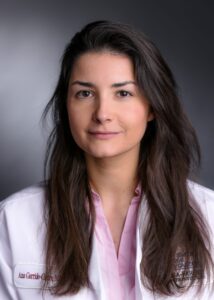
Choosing the best treatments for metastatic breast cancer depends increasingly on molecular features, such as tumor subtype. Patients with hormone receptor-positive/HER2-negative breast cancer are typically treated initially with hormonal therapies, and then subsequently with chemotherapy once hormonal therapy loses its effectiveness. Loss of hormone receptor expression has been described as a mechanism of resistance to hormonal therapy. When this occurs, tumors become hormone receptor-negative and HER2-negative, i.e. triple-negative. It is unknown whether cancers that start out hormone receptor-positive and then become triple-negative (called “subtype switch”) are different than those that remain triple-negative throughout a patient’s disease course. Since treatments depend so heavily on tumor subtype, answering this question could have an immediate impact on patient care.
Metastatic triple-negative breast cancer (mTNBC) remains a clinically unmet need, with a highly aggressive clinical course and shorter average survival compared to patients with other subtypes of metastatic breast cancer. Patients whose tumors are initially hormone receptor-positive/HER2-negative and then lose hormone receptor expression (i.e. become triple-negative) are typically eligible for clinical trials and standard-of-care therapies focused on mTNBC. However, comparison of tumor biology and clinical outcomes in patients whose tumors are always triple-negative and those that “switch subtype” has not been studied in detail. Preliminary results from tumor DNA analysis presented by Dr. Garrido-Castro at the 2018 San Antonio Breast Cancer Symposium suggest that primary hormone receptor-positive tumors in patients who later developed mTNBC have similar mutation and gene copy number alterations as primary triple-negative tumors.
In addition, hormone receptor-positive breast cancers are generally considered ̈cold ̈ tumors, characterized by decreased immune cell infiltration and low responsiveness to immunotherapy. It is unclear if hormone receptor loss may induce conversion to an immunologically ̈hot ̈ tumor that is more susceptible to immunotherapy. This would have therapeutic implications given recent evidence supporting the combination of immune checkpoint inhibition and chemotherapy as first-line therapy in patients with mTNBC.
As a Terri Brodeur Breast Cancer Foundation Grant recipient, Dr. Garrido-Castro aims to: a) identify genomic profiles and characteristics of the tumor microenvironment associated with hormone receptor loss, and b) compare these features across tumors with different levels of hormone receptor expression. We hypothesize that primary hormone receptor-positive tumors in patients who later developed mTNBC harbor intrinsic genomic and immune profiles that are similar to primary triple-negative tumors. To test this, we will integrate cutting-edge technologies (i.e. RNA sequencing, multiplex immunofluorescence, assessment of tumor-infiltrating immune cells) to analyze tumor samples collected at Dana-Farber Cancer Institute and correlate these findings with already generated DNA sequencing data.
Dr. Garrido-Castro received her M.D. from Universidad Autónoma de Madrid (Madrid, Spain) and later completed her training in Medical Oncology at Vall d’Hebron University Hospital in Barcelona, Spain. She joined Dana-Farber Cancer Institute in July 2016 after being selected for the Advanced Fellowship in Breast Oncology Program and as a Research Fellow at Harvard Medical School. She recently joined the Faculty at the Dana-Farber Susan F. Smith Center for Women ́s Cancers and will be appointed Instructor in Medicine at Harvard Medical School.
Sheng Sun, PhD
Massachusetts General Hospital Cancer Center
 The majority of breast cancers express hormone receptors, and therapies that antagonize hormonal signaling via these receptors are the most effective treatments for hormone receptor-positive metastatic breast cancer (HR+ MBC). Unfortunately, for the vast majority of patients with hormonal therapy-refractory MBC, the mechanisms of resistance remain poorly understood. Thus, identifying new mechanisms of hormonal therapy resistance and understanding how to overcome them will have direct and immediate relevance to the therapy of patients with MBC. We have identified novel gene fusions in 14% of patients with HR+ MBC and provided strong evidence that these tumor-specific genetic rearrangements are powerful drivers of treatment resistance and poor outcomes. Successfully tracking and therapeutically targeting these fusions could thus have a major impact on patient outcomes. We hypothesize that patient-derived circulating exosomes (tiny cell-derived vesicles that circulate in the bloodstream) are likely to contain unique nucleic acids and proteins corresponding to the fusions that could potentially serve as novel biomarkers.
We propose to credential these patient-specific rearrangements as blood-based markers of disease burden, clinical response and treatment outcome in MBC. This work will pave the way for effective disease monitoring that will facilitate the clinical development of targeted therapeutics to overcome treatment resistance mediated by these genetic drivers.
Dr. Sheng Sun obtained his Ph.D. in Biomedical Sciences at The University of Texas MD Anderson Cancer Center. During his doctoral studies, Dr. Sun investigated the function and regulation of ESCRTs (Endosomal Sorting Complex Required for Transport), the protein complexes involved in endosomal sorting and exosome biogenesis. Dr. Sun is currently a postdoctoral research fellow at the Massachusetts General Hospital Cancer Center/Harvard Medical School in the laboratory of Dr. Leif W. Ellisen.
Sherry Shen, MD
Memorial Sloan Kettering Cancer Center

Dr. Shen is a medical oncologist and clinical investigator at Memorial Sloan Kettering Cancer Center, where she serves as the Co-Director of the Lobular Breast Cancer Program. Her research focuses on developing new treatments for estrogen receptor-positive (ER+) metastatic breast cancer (MBC), such as the combination of lenvatinib, fulvestrant, and pembrolizumab being tested in this project. Immunotherapy has transformed cancer treatment by activating the body's own immune system to fight cancer cells. However, in ER+ MBC, immunotherapy has shown limited success. This is because ER+ tumors often have low levels of immune cells and minimal expression of proteins that are necessary for immunotherapy to work effectively. As a result, the immune system has a harder time recognizing and attacking the cancer cells. Dr. Shen is leading a phase Ib/II clinical trial to test a new treatment combination that could make ER+ MBC more responsive to immunotherapy. Lenvatinib is a medication that targets specific pathways tumors use to grow and suppress the immune system, which can alter the tumor environment to make it more “visible” to the immune system. Fulvestrant is a hormone therapy that blocks estrogen receptors and can also influence the tumor immune environment. Pembrolizumab is an immunotherapy drug that helps the immune system recognize and attack cancer cells. The goal of Dr. Shen’s project is to test the effectiveness of lenvatinib, fulvestrant, and pembrolizumab in achieving tumor shrinkage and disease control in patients with ER+ MBC. Additionally, she plans to identify factors that predict which patients are most likely to benefit, which can lead to more personalized care. Ultimately, Dr. Shen hopes to identify new treatments that are effective and improve quality of life for patients with ER+ MBC.
Alexandra Indeglia, PhD
Brigham and Women's Institute

Abstract/Bio:
Triple-negative breast cancer (TNBC) is one of the most aggressive forms of breast cancer that lacks the three common targets for therapy (estrogen receptor, progesterone receptor, and HER2). TNBCs are also frequently non-responsive to new approved therapies that work in other breast cancers, such as drugs that target the PI3K pathway, a key growth signal in breast cancer. Because of this, standard treatments are limited, relapses are common, and survival is poorer than in other breast cancer types. Therefore, it is critical to find new, effective, and durable treatments for patients with TNBC. To make matters worse, relapsed TNBC tumors switch into a "hard-to-kill" state: these cells look and behave more like aggressive, migrating stem-like cells. These stem-like characteristics are called “mesenchymal cell states”. Mesenchymal cell states are kept activated by powerful DNA switches called super- enhancers—stretches of DNA that act like a powerful faucet that keeps cancer-promoting genes flowing on high.
We have found that two enzymes, CDK12 and CDK13, sit at these super-enhancers and act as the hands that turn the “faucet” on. I have tested a new drug that blocks CDK12/13 from working, and this drug lowers the activity of genes that drive the mesenchymal, stem-like state. Even more promising, when we combine newly invented CDK12/13 blockers with drugs that target the PI3K pathway, the two treatments work far better together than either alone. Our goal is to disarm TNBC by pushing tumors out of the resistant, stem-like state and into a more stable, treatable state, then striking with targeted therapy. We will also test whether this approach reduces metastasis by weakening circulating tumor cells. We will also test if our combination treatment enhances the effects of immunotherapy – as immunotherapy is approved for a subset of TNBC patients, this could greatly expand the percent of TNBC patients that are eligible for immunotherapy. If successful, our work will lay the foundation for a clinical trial with this combination therapy for TNBC with the potential to reduce relapse, limit metastasis, and improve survival for patients who currently have too few options.
Dr. Indeglia received her undergraduate degree from University of Virginia and her Ph.D. in Biochemistry and Molecular Biophysics from the University of Pennsylvania in 2024. She is currently a postdoctoral fellow at Brigham and Women’s Institute working in the Genetics Department. Her research focuses on identifying novel strategies for targeting heterogeneity and plasticity in triple negative breast cancer.
our sponsors
Platinum & Diamond Partners





LOOKING TO MAKE A DONATION?
Join Our Email List
Get the latest news and updates from the foundation directly to your inbox.