
Suzanne Guillette has “always thought of myself as a survivor and a fighter.”
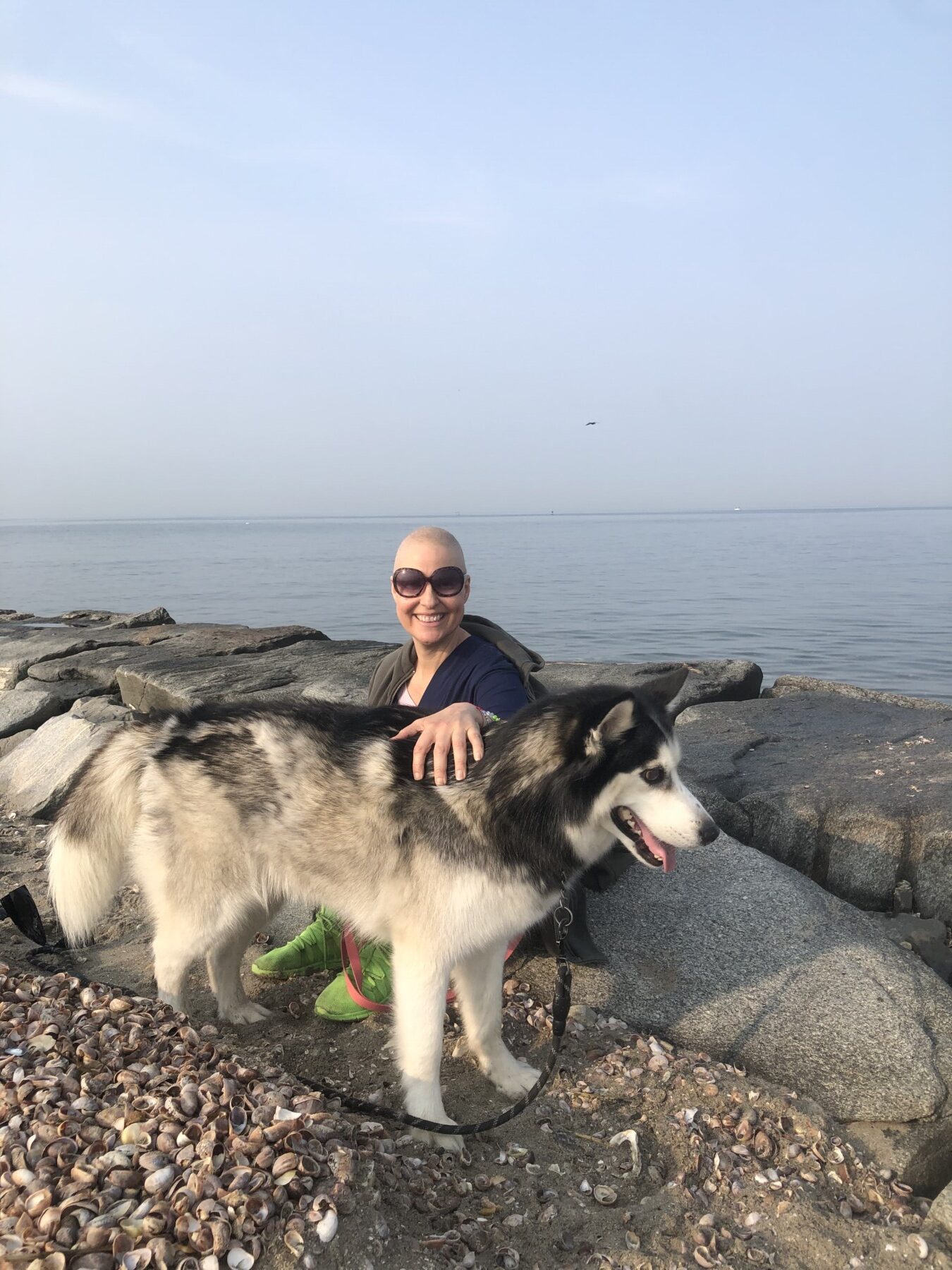
A psychic told Suzanne Guillette that she’d “never die of breast cancer. Ever.” Was this a portent? She did not have breast cancer. Was she going to get it? Even then, the possibility felt remote.
At 50, Guillette of Waterford is a writer and an intuitive. Single and deeply connected to her extended family, including her late cousin's children, she left New York City in 2021 searching for a quieter life that would still keep her close enough to get back and forth for regular visits with the kids.
Guillette spent months trying out different places, then, unexpectedly, a friend of her late cousin offered her the opportunity to take over a lease in Niantic in early 2021. To Guillette, who had always dreamed of living near the water, it felt like serendipity.
She’d been diligent about breast screenings. Beginning in her early 40s, she underwent regular mammograms and ultrasounds and in recent years had been screened every six months. An ultrasound in April 2024 came back normal. Although a maternal aunt had been diagnosed with breast cancer in her 60s, the disease never felt like an immediate threat.
Still, that one conversation lingered. It was March 2024, when on the phone with the medium in New York City recommended by her close friend Suzanne —who tragically died of breast cancer in 2022 — the woman told her, “You will never, ever die of breast cancer."
Wait, I don’t have breast cancer. Is she saying I’m going to get it?’ She pushed the thought aside.
Months later, in October 2024, after spending a long weekend on Long Island for her nephew’s two-day soccer tournament, she returned home exhausted. She collapsed onto her couch. As her right breast fell against her arm, she felt something unfamiliar and was instantly alarmed.
“That’s how I learned I had a lump,” she said.
She called her primary the next day, and due to miscommunication was scheduled for her annual mammogram in January 2025. Something didn't feel right about waiting, though, and when she called L&M to see if they had cancellations, she was told if she got the right referral from her primary, she could be seen that week for the diagnostic mammogram and ultrasound. The delay was three weeks and that turned out to be critical time. When she finally met with an oncologist in December 2024, the diagnosis was devastating: triple-negative breast cancer. Doctors already knew the cancer had spread to at least one lymph node, though it was still considered localized.
One of the hardest parts was telling the children she is so close to, who were then 16 and 11 years old. After the holidays, she sat down with each of them separately.
“It was very difficult,” she said.
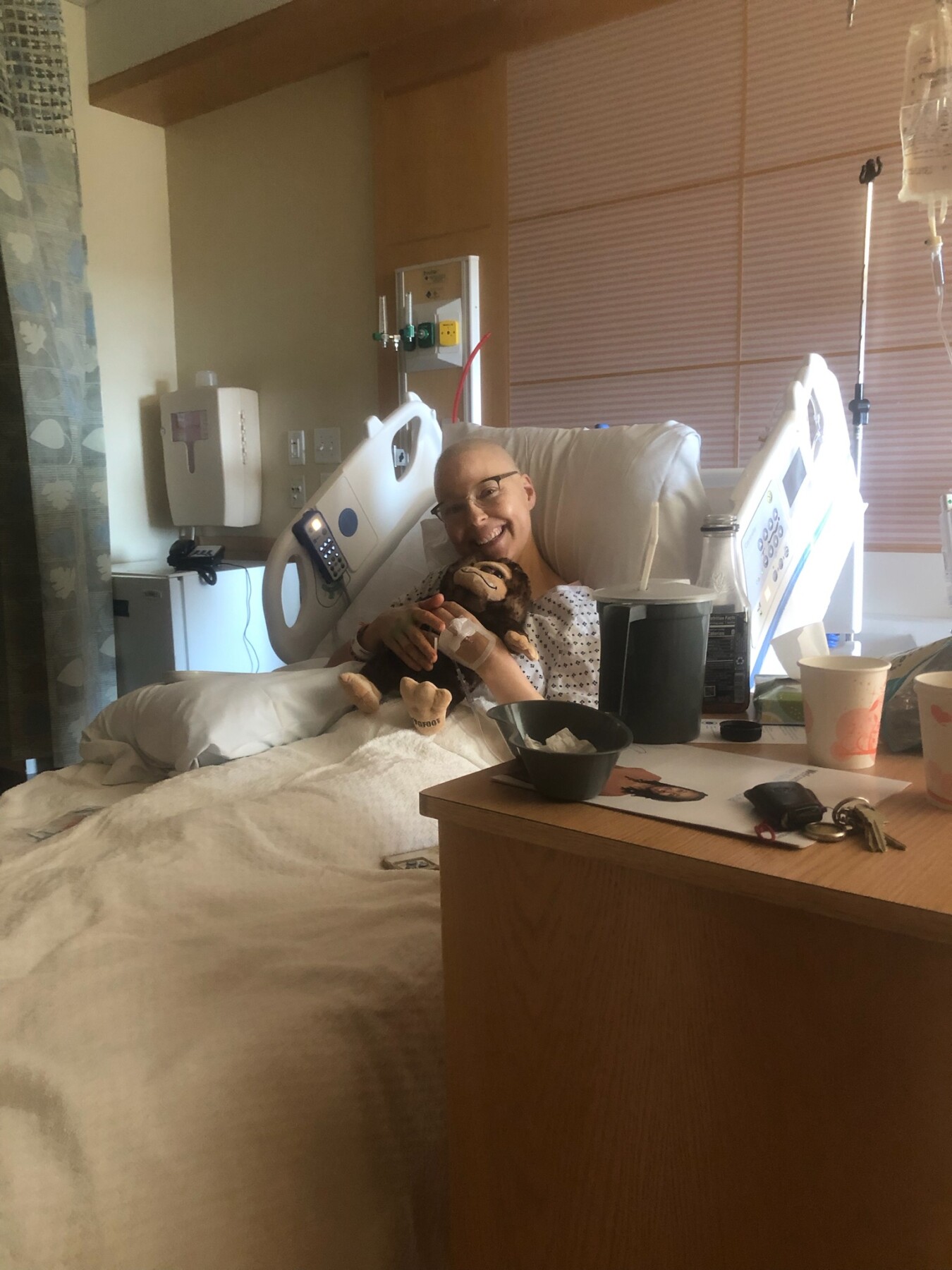
Treatment began quickly. Guillette underwent the standard 20-week course of chemotherapy, followed by a right mastectomy. During surgery, doctors discovered residual disease and removed all of the lymph nodes on her right side as well.
A PET scan a few weeks later brought relief: the cancer had not spread further, and surgeons believed they had removed it all. She then completed five-and-a-half weeks of radiation. Because residual disease had been found during surgery, her doctors recommended an additional chemotherapy regimen designed to destroy any microscopic cancer cells and reduce the risk of recurrence. Under the guidance of her doctors at Yale New Haven, she completed a trial at Dana Farber.
Just as she thought she was nearing the end of treatment, another setback arrived. Guillette had planned to undergo reconstruction surgery in April, but developed a serious infection related to the tissue expander. She was hospitalized, placed on IV antibiotics, and underwent emergency surgery.
“By some miracle,” she said, “the surgeon was able to perform the reconstruction at that time.”
For a while, she felt hopeful that she could avoid another operation. But complications continued. Persistent drainage eventually led to the implant being removed, a decision she now describes as a relief. Somewhere during that surgical process, she also contracted a severe bacterial illness that triggered pneumonia, which she is still recovering from.
“So even though I’m technically done with cancer treatment,” she said, “I’m not 100 percent back to myself yet.”
Throughout the ordeal, Guillette says she has been profoundly changed not only by illness but also by the care she received. Entering treatment with a history of severe medical trauma, she found herself unexpectedly surrounded by what she calls “true healers”—nurses, doctors, and therapists whose compassion transformed her relationship with medicine.
“There’s always a silver lining,” she said. “I’ll find it if it exists.”
Her support system has been vast and deeply personal. Two cousins — one from her mother’s side and one from her father’s — became her primary caregivers, helping with everything from logistics to emotional support. Friends opened their homes to her. Another cousin stayed with her after surgery alongside her blind rescue husky, Blue, giving Guillette a chance to recover with one of her favorite animals, something she describes as “a dream come true.”
This year, Guillette participated in the Terri Brodeur Breast Cancer Foundation’s Walk for a Cure and attended a fashion show fundraiser benefiting the Triple Negative Breast Cancer Foundation. Surrounded by survivors, patients, and advocates, she was struck by the sense of warmth and community.
“I was blown away,” she said. “Everyone was so kind and welcoming.”
At the walk, she joined the Zen and Now team wearing a pair of heavy, wide-leg jeans she had impulsively bought at the fashion show fundraiser the night before. Along the route, she spent much of the day talking with another survivor about life, illness, and endurance.
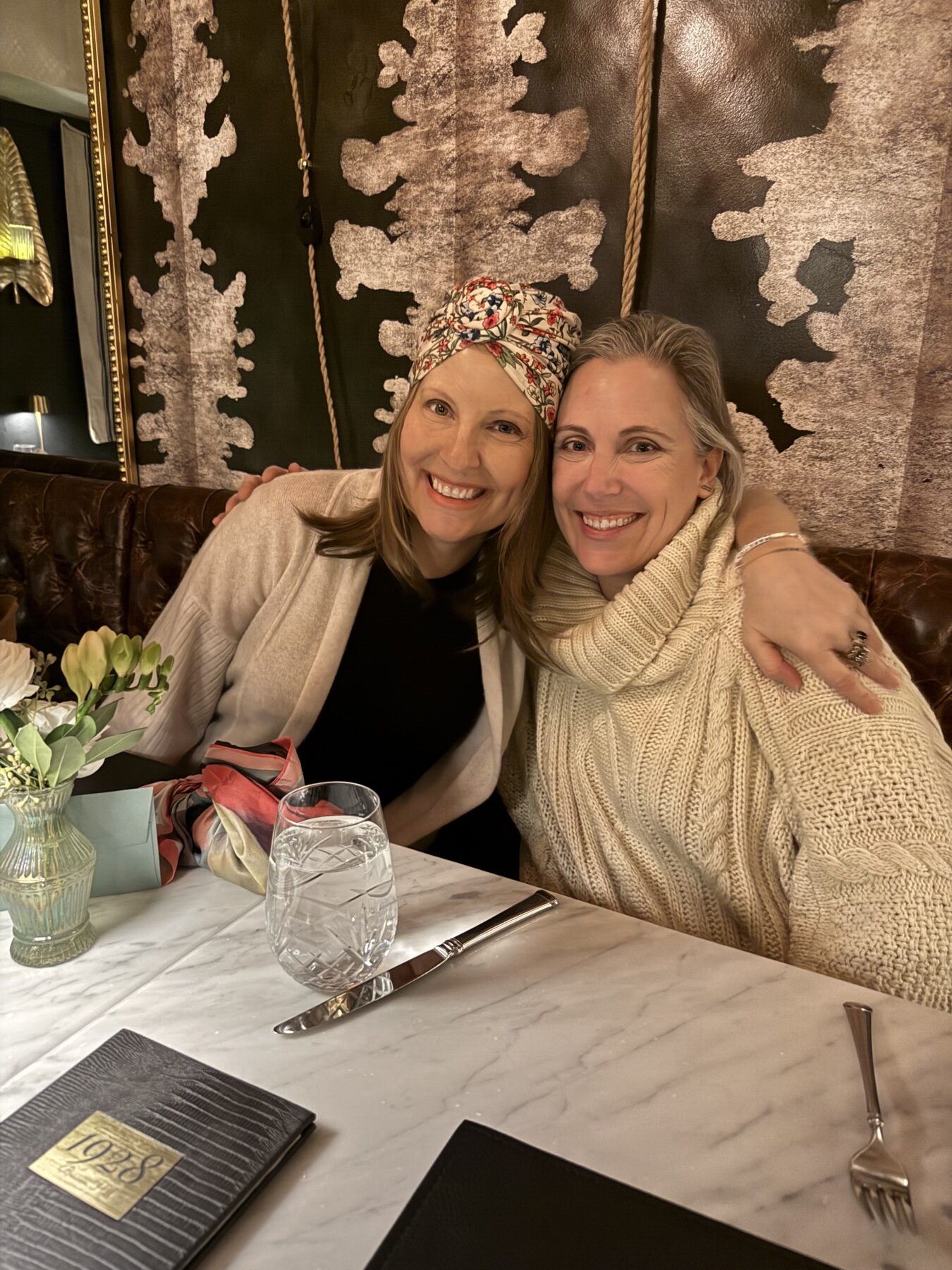
“The ceremony at the end was so moving,” she said. “It was incredible to see so many survivors and community members coming together for each other.”
Cancer, she says, has fundamentally changed how she sees the world, though she is still searching for the right language to describe that shift.
“Because I’m a writer, I’m always trying to figure out how to translate an experience into words,” she said. “And when the words fail, that usually means something really important is happening.”
The illness forced her to release things she wishes she had let go of years earlier. It also taught her that survival and strength do not always look the way people expect.
“I’ve always thought of myself as a survivor and a fighter,” she said. “But this experience taught me that sometimes surviving means allowing yourself to rely on other people.”
Now, as she slowly regains her strength, Guillette is focused on healing and creating. She is revising a memoir, continuing to write about cancer and spirituality on her Substack, In (Higher) Self, We Trust, and developing a podcast centered on what she calls “athletic optimism" — the kind required to move forward despite fear, uncertainty, or grim odds.
But first, she says, comes rest.
“Rest, rest, and more rest.”