
Dana-Farber: ‘TBBCF’s support of breast cancer is greater than ever, as is its impact’
By ELLYN SANTIAGO
When Harvard Medical School Professor of Medicine and Dana-Farber Cancer Institute President and CEO Benjamin L. Ebert, MD, PhD, pens a thank-you letter, it’s a major event, especially for the ‘little Foundation that could.’
The Terri Brodeur Breast Cancer Foundation recently awarded a TBBCF research grant to a rising breast cancer researcher, Dana-Farber Cancer Institute’s Dr. Genevra Kuziel.
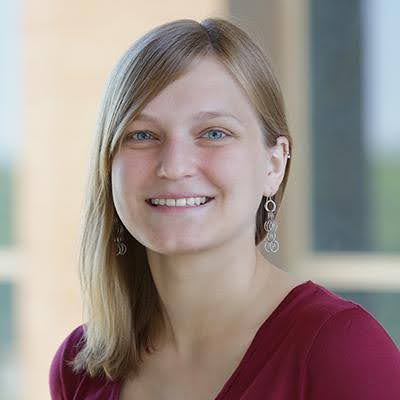
Dana-Farber Cancer Institute
“For many years, TBBCF has been a steadfast partner in promoting innovation, nurturing Institute scientists,” Ebert noted. “And accelerating the field of breast cancer research.”
“Thank you for your continued confidence and belief,” he wrote to the Foundation. “Which is uplifting Dr. Kuziel’s most promising research and may benefit patients facing ER+ breast cancer, the most commonly diagnosed breast cancer subtype.”
TBBCF Scientific Advisory Board co-chair John Lamattina, PhD, spoke to the recognition by the preeminent breast cancer research institute.
“The Dana-Farber Cancer Institute is one of the foremost cancer research institutions in the world,” Lamattina said. “This type of recognition is a great acknowledgement of the important efforts being made by the entire TBBCF family – walkers, sponsors, and board members.”
From its inception, the Foundation’s mission has been to help fund breast cancer research. After reviewing dozens of grant proposals, this year the TBBCF Scientific Advisory Board awarded fellowships to four top 2025 researchers. Kuziel was one of those researchers.
The funding provides Kuziel with critical resources she can count on as she explores the combination of an endocrine therapy with a drug designed to kill cancer cells as a potential treatment option, Ebert wrote.
“The path of progress is clear—more funding means more discoveries, more treatments, and more hope,” Ebert wrote. “Yet the high-risk, high-reward research required to maximize progress is too often underfunded, especially now as the National Institutes of Health budget faces reduction. TBBCF’s role in supporting this work is therefore greater than ever, as is its impact.”
Lamattina agreed that the efforts of TBBCF and its many volunteers and walkers’ commitment to help to support and fund research is increasingly vital in today’s context.
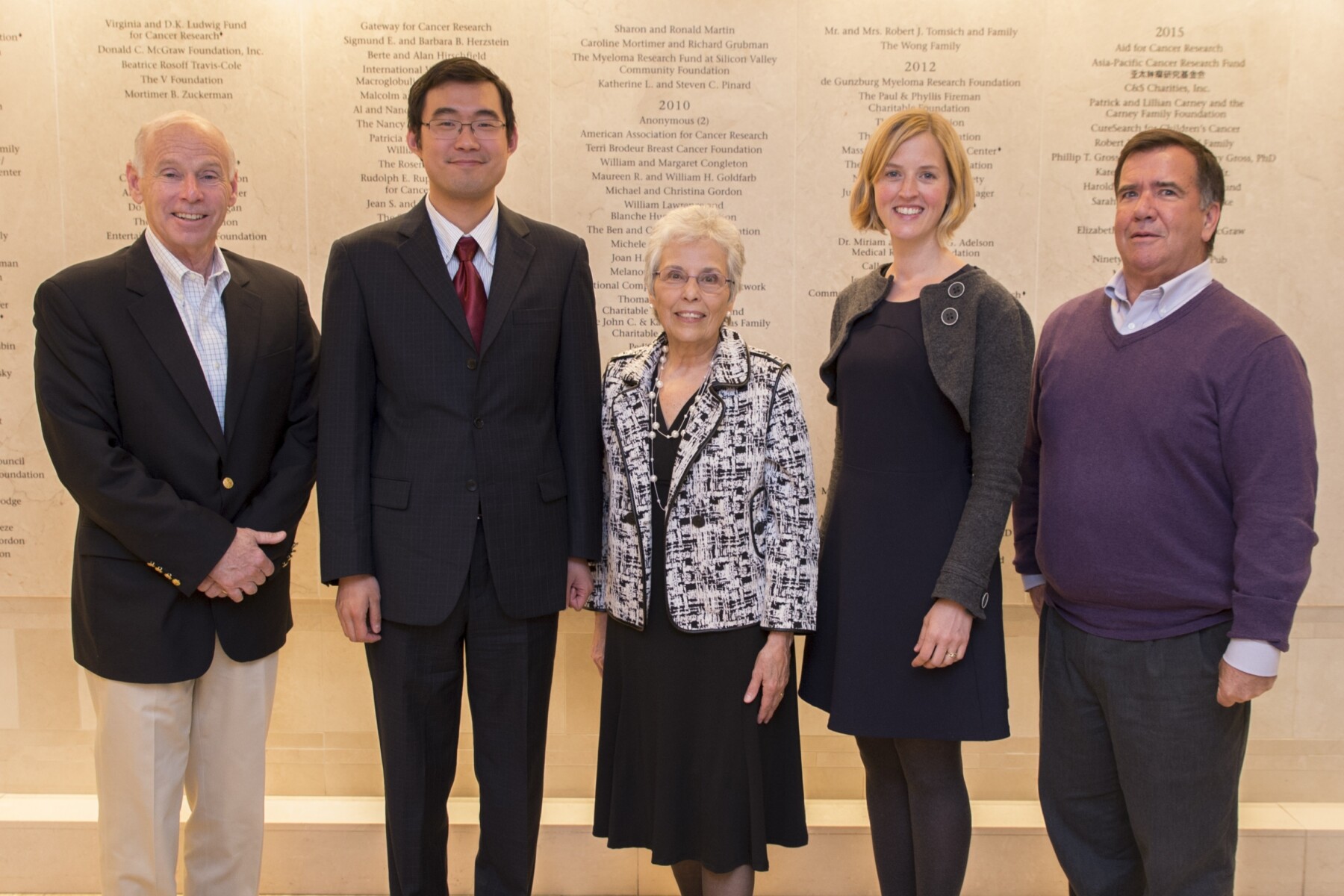
“Ironically, at a time when understanding the root causes of all cancers continues to grow, funds are being cut from important institutions like the NIH. Thus, as Dr. Ebert says, a lot of worthy research is going unfunded,” Lamattina said. “The contributions being made by the researchers supported by the TBBCF help to support important and potentially groundbreaking new ideas in our quest to cure breast cancer.”
Ebert lauded TBBCF’s ongoing support, noting it “meaningfully honors Terri’s life, as well as Norma Logan’s and the many others impacted by this disease.”
“And ultimately brings light into a world of patients yearning for a brighter future,” Ebert said.
“We have a saying at Dana-Farber that what happens here changes cancer medicine everywhere, and it can happen, because of strong partners like TBBCF.”
All this is a product of Norma’s vision and countless volunteer hours over the last 20 years.