
Ellen Orzel turned her breast cancer diagnosis into a life lived on her own terms
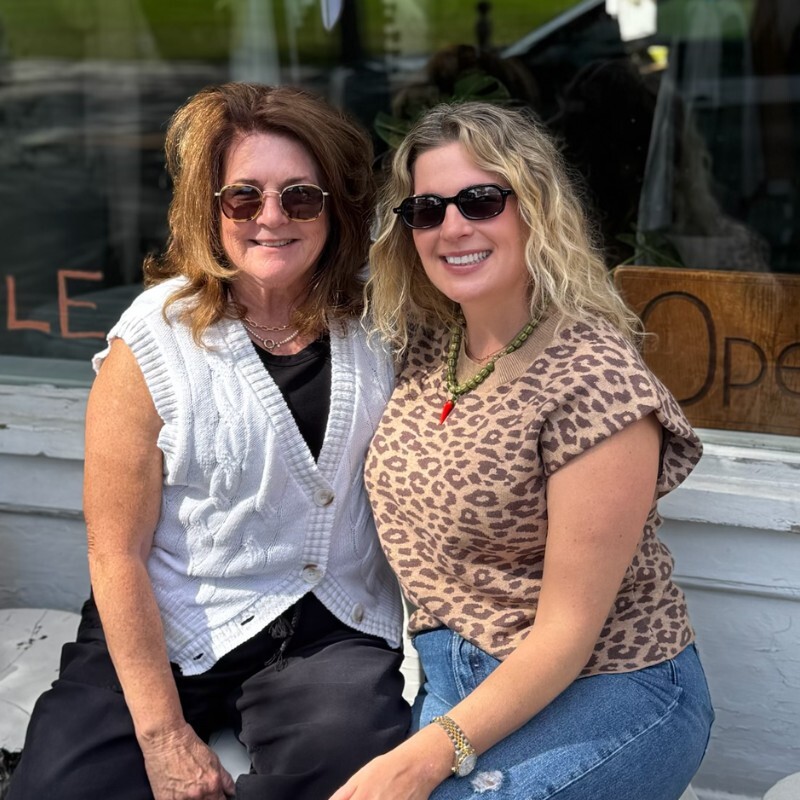
For Ellen Orzel, breast cancer was never an abstract possibility. Her mother, Carol, was diagnosed at 47 and died at 52. So when Orzel herself was diagnosed at 47, on Sept. 28, 2006, she wasn't surprised.
“I was waiting my whole life since she died to be diagnosed,” she shared.
Because of her mother's history, Orzel had been getting mammograms since she was 30. Seventeen years of mammograms, she jokes, “enough to wallpaper the walls.” But in 2006, ultrasounds weren't routinely part of her screening as they are today. Then she felt something.
The mammogram and subsequent imaging initially focused on what Orzel had noticed, but the radiologist at MidState Medical Center decided to take a closer look.
“She said, ‘You know what, we're in here now. Let's just look around,’” Orzel recalled. A tumor was found, and not even in the area she’d discovered.
Without that exam, she might have gone another year before her next mammogram. She wrote the radiologist a thank-you note.
Orzel was diagnosed with stage 1 breast cancer, with a grade 2 tumor and no lymph node involvement. Two months later, beginning in December, she had a lumpectomy and did four rounds of chemo. Treatment wasn't easy, but when thinking about what to do next, she thought about her mother, who’d lived nearly five years after her Stage 4 diagnosis. Undergoing treatment all those years. But her beloved mother Carol died at 52. Orzel weeps in the retelling.
Orzel decided she wanted a different future.
“I never, ever looked back. I never regretted it. It was the best decision that I made.”
“I can't live the rest of my life like this,” she told her doctors. She decided to undergo a double mastectomy with reconstruction. She had the surgery in March 2007, six months after her diagnosis.
“I never, ever looked back,” she said. “I never regretted it. It was the best decision that I made.”
The decision was deeply personal. It was about more than eliminating the need to continually monitor both breasts. It was about refusing to let the fear that had followed her since her mother's death dictate the rest of her life.
Her husband, Dennis, had accepted a new job in Dallas just as Orzel was undergoing testing and receiving her diagnosis. The couple had planned the move before the cancer diagnosis, but Orzel knew she couldn't leave Connecticut.
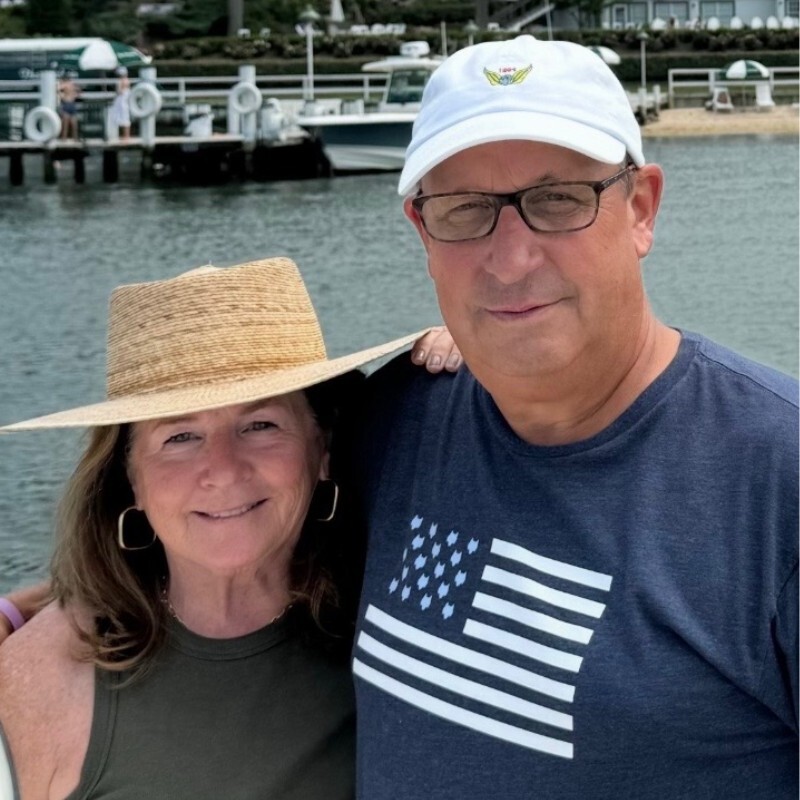
With Ellen’s blessing, Dennis went to Dallas for work, while Orzel stayed behind for a year to undergo treatment.
She wasn't alone, though. Family and friends stepped in: “I could not live enough lifetimes to repay everyone for what they did for me.”
One friend in particular became a lifeline.
Orzel’s longtime friend, Donna, came to live with her immediately after surgery. Donna was working full-time, but each morning she would get up, drive to Dunkin' Donuts for one of Orzel's favorite carrot muffins, bring it back to her, and then head to work. At night, the two women would lie in bed and watch television.
Orzel can still picture her friend driving up the driveway each morning: “I could have coffee from a coffee maker and a piece of toast in my kitchen, but she knew I liked that, so she would do that for me,” Orzel said.
Donna did that for three or four weeks.
Other friends cared for her dog and filled in to help her on weekends. And husband Dennis came home from Dallas every other weekend.
Looking back, Orzel says the experience taught her something she now tells other people facing cancer:
“People really want to help. And you should let them.”
Her children were both in college at the time, and Orzel didn't want to burden them. In some ways, she says, she was grateful they were building their own lives while she focused on getting through treatment.
“I just said, This is not the life I want to live,” she recalled.
Eventually, after completing treatment, Orzel joined Dennis in Dallas in August 2007. She initially went “kicking and screaming,” joking that she associated Texas with “guns and big hair.”
Instead, Dallas became an unexpected gift. She made dear friends there, including one she still talks to three times a week. Later, the couple moved to New York City for another job before eventually returning to Connecticut—the place they had always considered home.
Today, Orzel is 67. She and Dennis have been married for 44 years. They have two children, Patrick and Caleigh; daughter-in-law Krissy, and two grandsons, James, 5, and Austin, 3. She said her children and her grandchildren are "everything to me and more.”
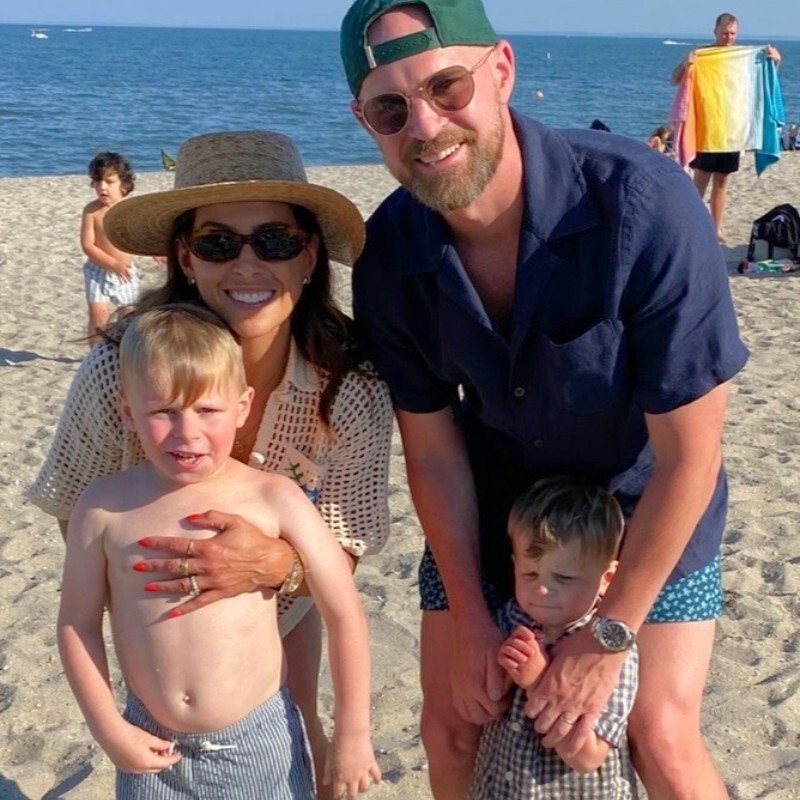
“My grandsons are the greatest gift. It hurts that my mother never had that experience and that my own children missed out on having her,” she said. “It’s all a big part of why I made the decision I made.”
“You need your girls. You’ve got to have your girls.”
Orzel spent 25 years as a special education teacher in Meriden and New Britain, later doing some teaching in Dallas but never returning to full-time work after her diagnosis.
And she continues to give back.
For about six years, Orzel has participated in the annual Terri Brodeur Breast Cancer Foundation's Walk for a Cure with her team, Strong Enough, led by Joan Galeotti.
Strong Enough has long been a top Walk fundraising team, at times ranking among the top three teams, although its numbers have dwindled over the years as members have moved on or become unable to participate in person. That doesn't diminish what the team means to Orzel.
Some members are breast cancer survivors; others are not. What connects them is the friendship that has grown from walking together.
This year, the timing of the walk coincides with a trip Orzel has planned to Portugal, so she'll participate virtually. Her family had hoped to walk together this year, making it a particularly meaningful milestone as the Foundation marks its 20th anniversary. For her, though, the meaning of the walk extends beyond the event itself. It's about the women she has met. The connections she's made later in life. The people who show up. And it's about research.
Nearly two decades after her own diagnosis, Orzel has seen firsthand how much breast cancer treatment has changed.
“Things are moving forward,” she said.
When asked whether she considers herself a fighter, Orzel hesitates: “I don't really know. Everybody handles things differently.”
She doesn't describe herself as special. She said she simply did what she felt she had to do.
“Like I said, whatever I did, I did.”
But she does believe she was strong. There were moments when she cried. Moments when the reality of the diagnosis overwhelmed her. One of the most memorable came during her first appointment with her general practitioner after her diagnosis, when she broke down in tears.
Her doctor looked at her and offered a blunt reassurance that she has never forgotten: “You ain't dying from this. You're going to die from something. But you ain't dying from this.”
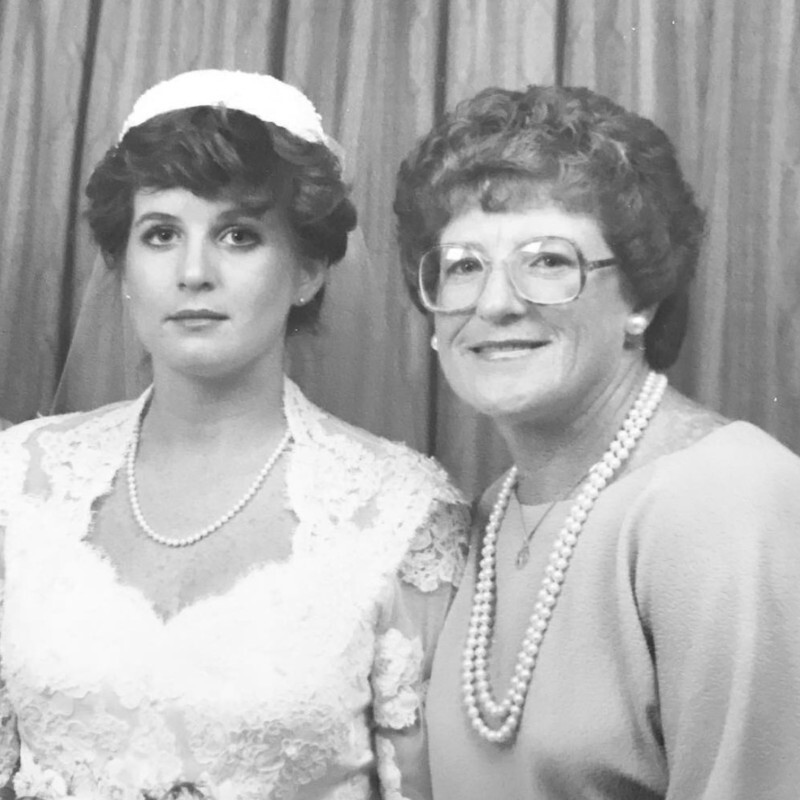
That meant a lot because for years her mother's illness had been the voice in the back of her mind. Carol had been a fighter, too. She endured treatment for nearly five years after her Stage 4 diagnosis. She got up every day. She kept going.
Orzel doesn't believe she was as strong as her mother but agrees her mother shaped every decision she made: “All my decisions for my therapy and my choices were based on her.”
That is the heart of her story.
Her mother died young, but her legacy didn't end there. It became a force that pushed Orzel to pay copious attention, to always ask questions, to make difficult choices, to accept help, and ultimately to choose life without looking back.
Nearly 20 years later, Orzel is still here, still walking, still making plans. And still living the life her mother never got the chance to see.